Beliefs Folklore Religion
Intriguing and highly shareable concepts encompassing modern superstitions and foundational belief systems.
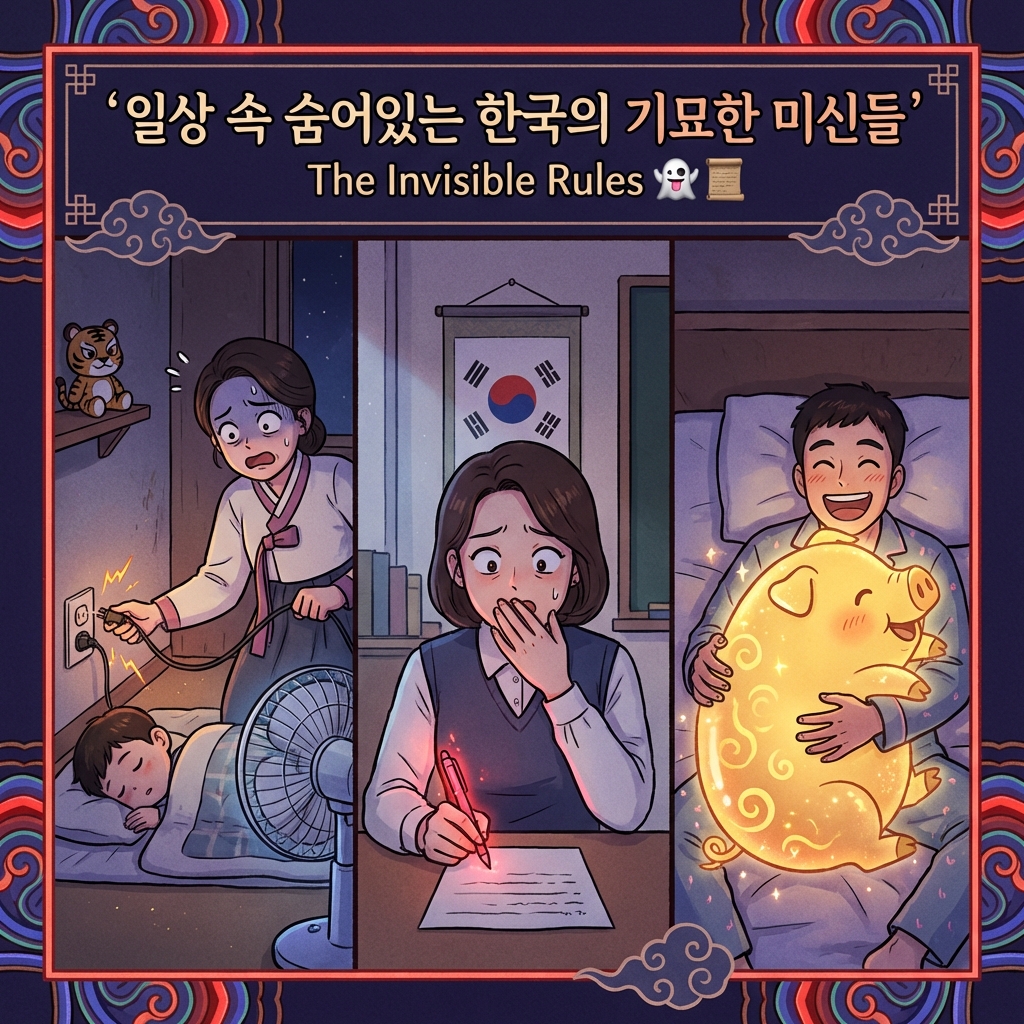
Fan Death, Red Ink, and Pig Dreams
한국의 미신From the terrifying belief in 'Fan Death' to the joyful superstition of 'Pig Dreams,' Korean culture is rich with superstitions that influence daily life, technology, and even the lottery.
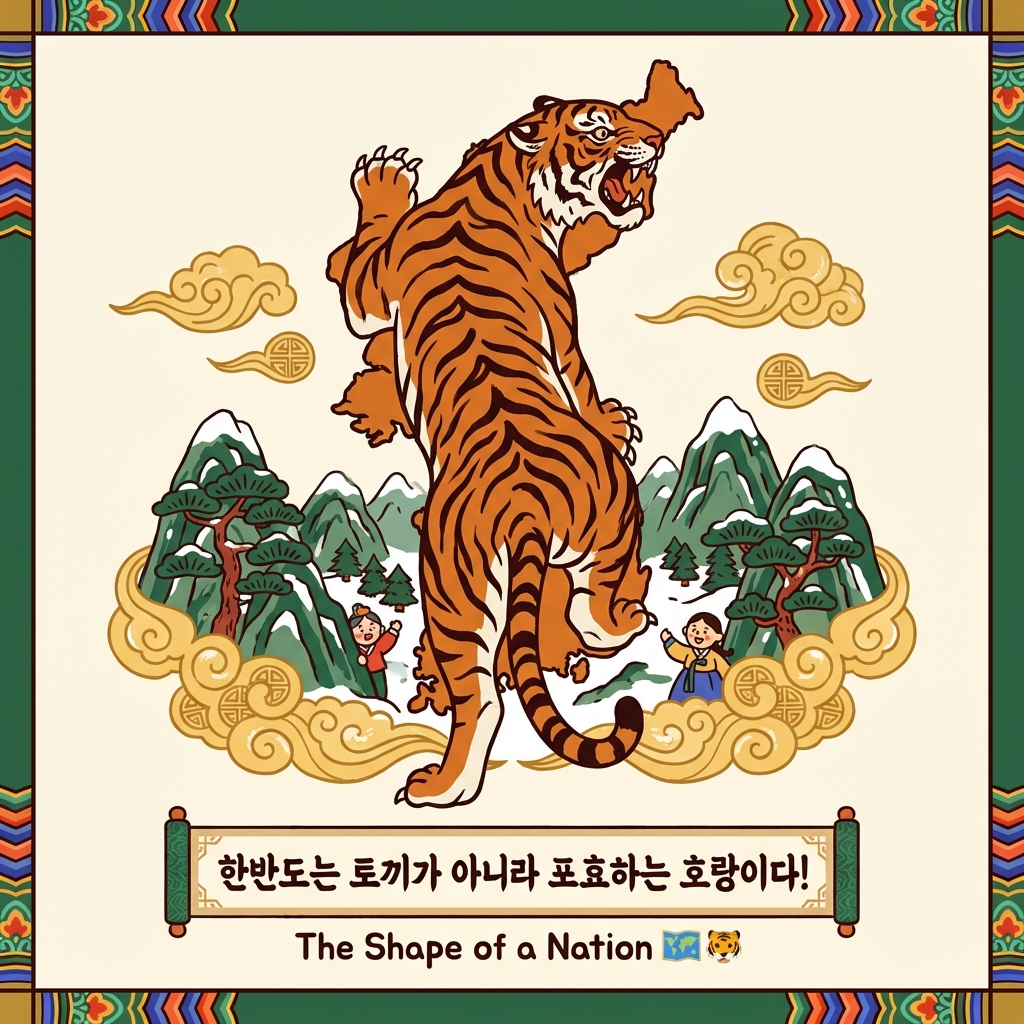
Korea’s Fierce Protector
호랑이From ancient legends of cosmic matchmakers to modern superstitions about wealth and fortune, the Magpie is the beloved bird that brings good news to the Korean people.
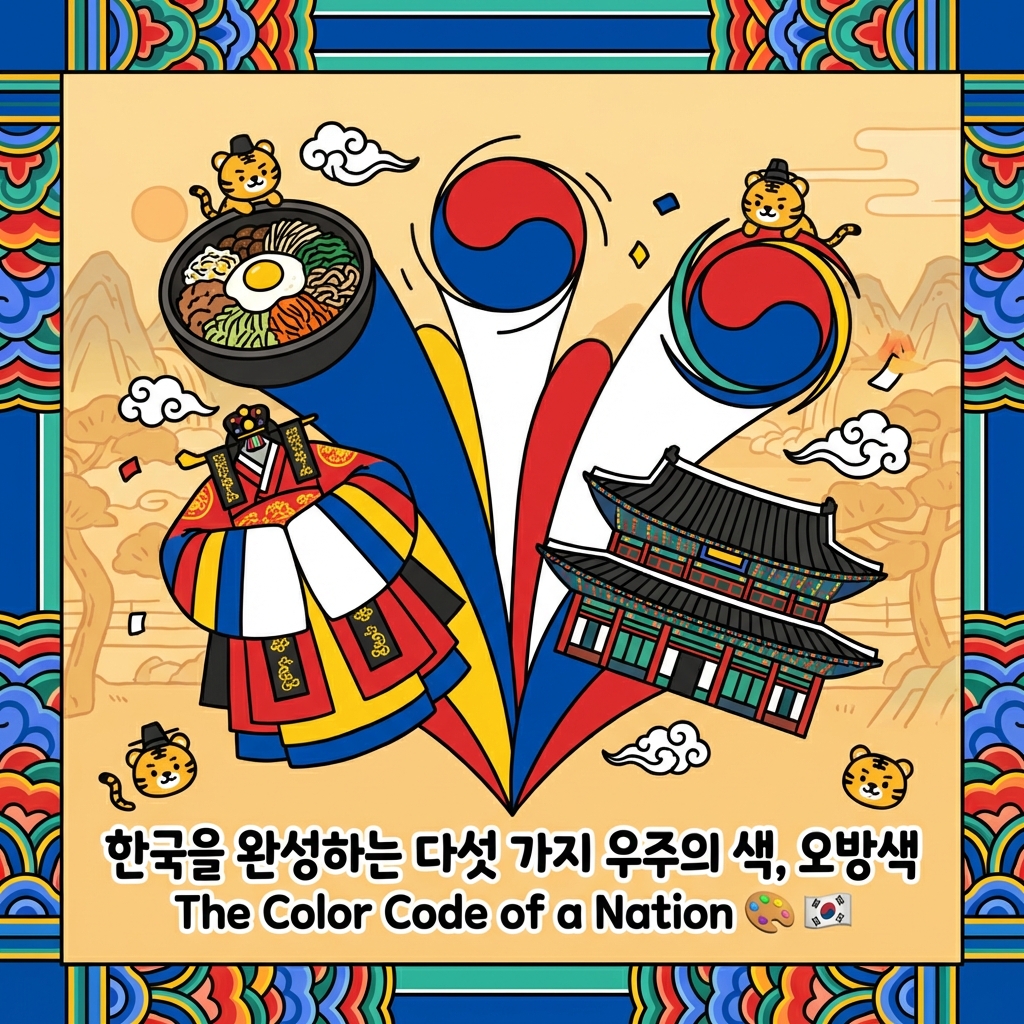
The Five Colors That Paint Korea
오방색From the vibrant hues of Bibimbap to the protective colors of ancient palaces, Obangsaek is the traditional Korean color philosophy that has shaped the nation's art, food, and spiritual beliefs for centuries.
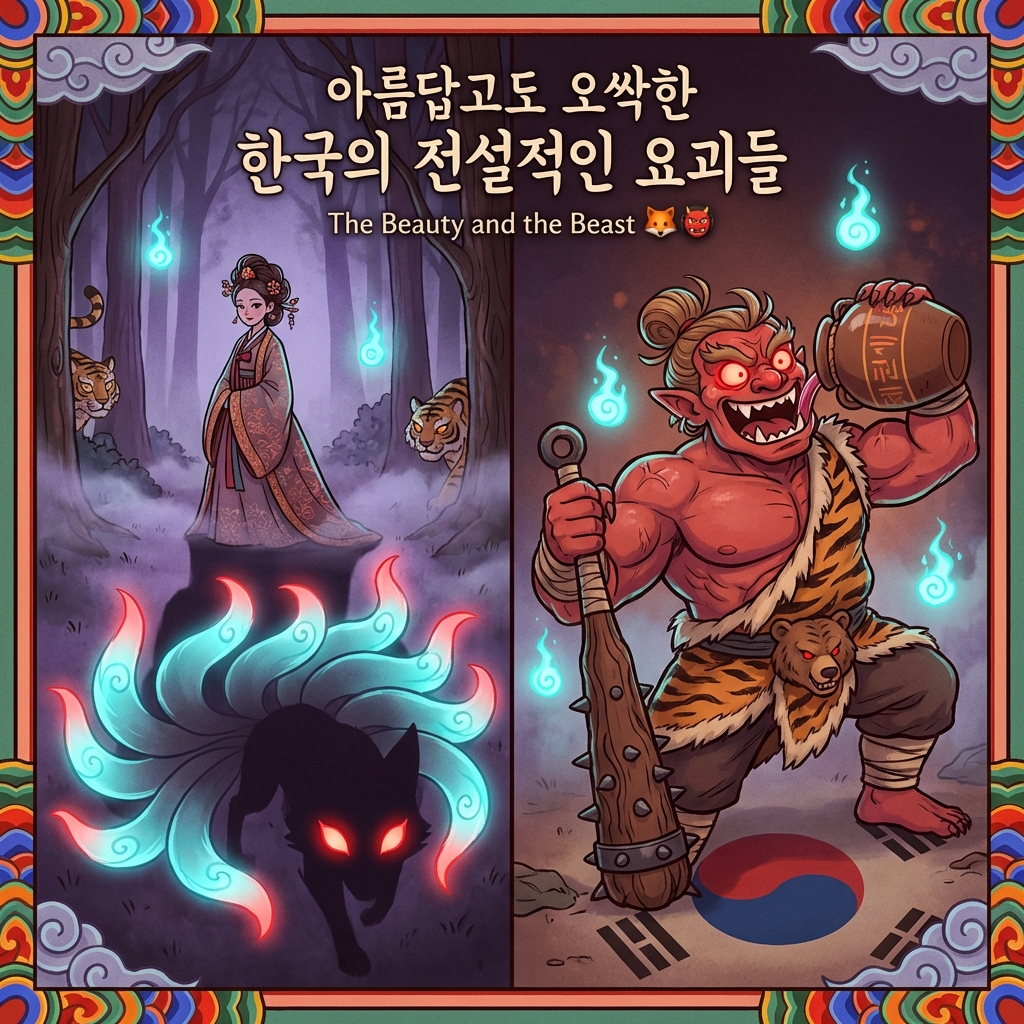
The Fox and the Goblin
구미호와 도깨비From seductive demons to magical pranksters, Korean folklore is filled with supernatural creatures that are both terrifying and enchanting.
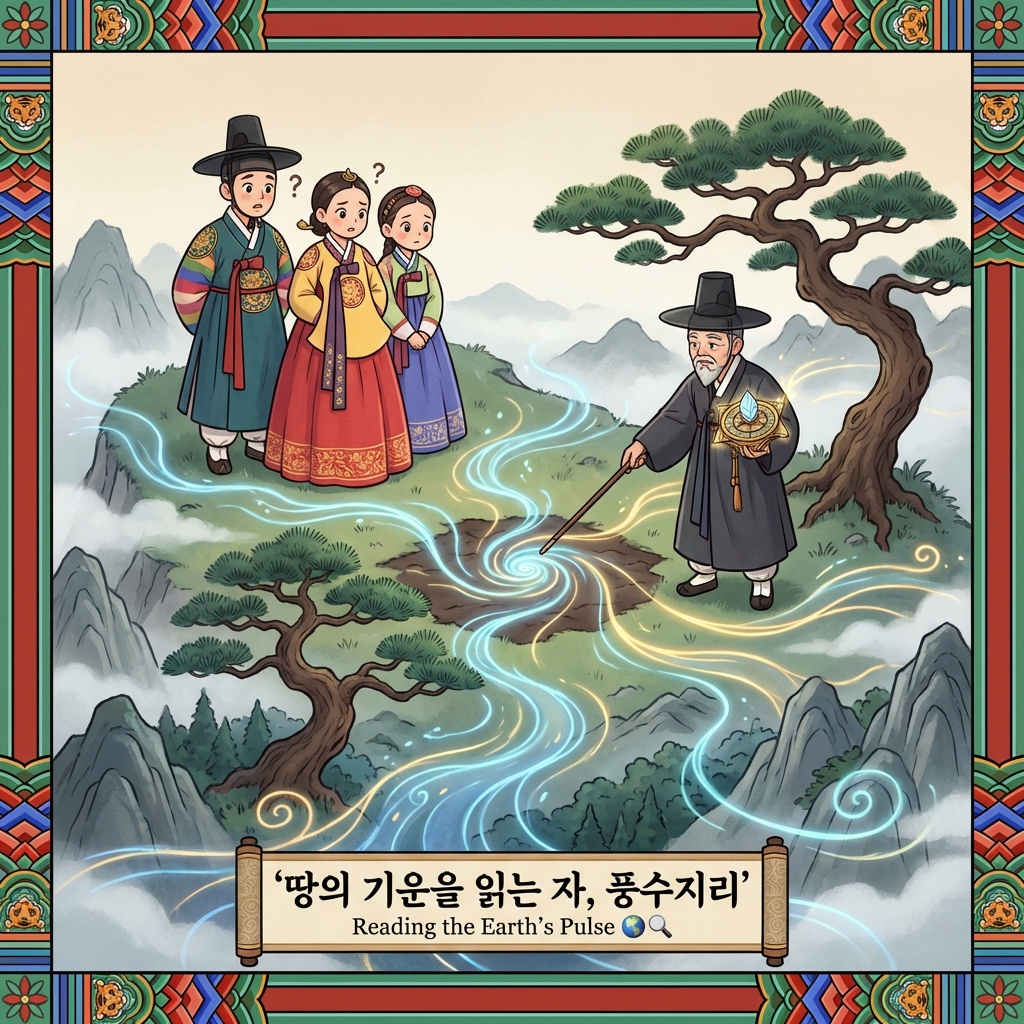
The Geomancy of the Land
풍수지리From the invisible energy of mountains to the placement of ancestral graves, Pungsu-jiri is the ancient Korean practice of geomancy that has shaped the nation's architecture, politics, and spiritual beliefs for centuries.
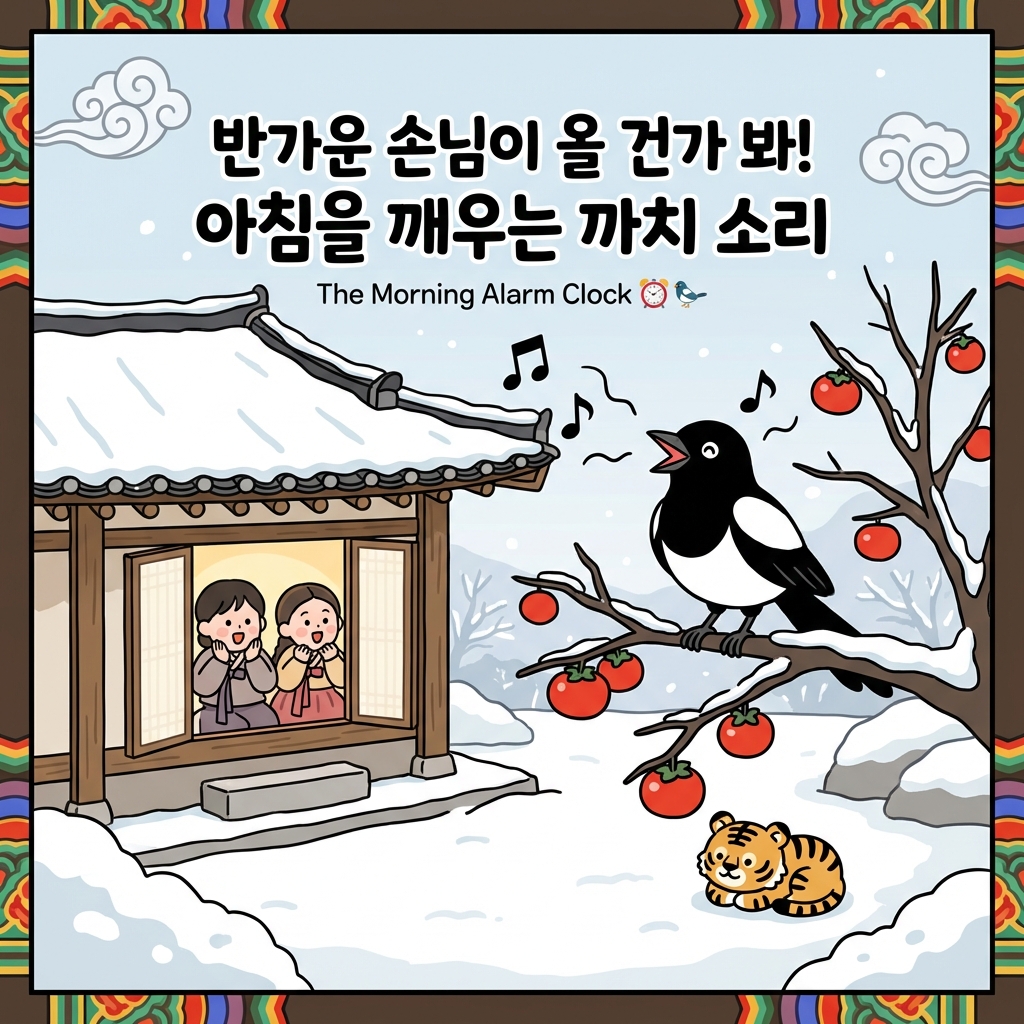
The Harbinger of Good News
까치From ancient legends of cosmic matchmakers to modern superstitions about wealth and fortune, the Magpie is the beloved bird that brings good news to the Korean people.
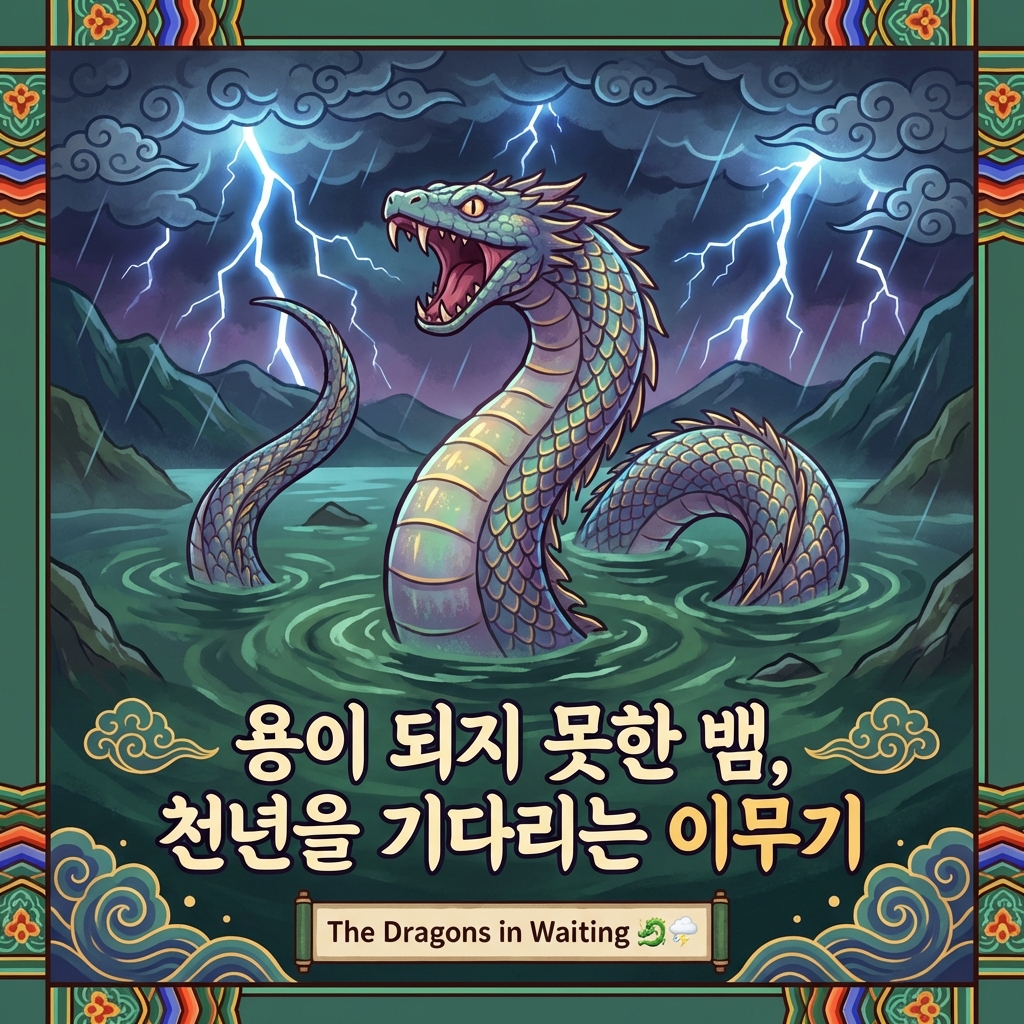
The Hornless Proto-Dragons
이무기From ancient legends of celestial serpents to modern metaphors for the grueling path to success, the Imugi myth continues to capture the imagination and reflect the Korean spirit.
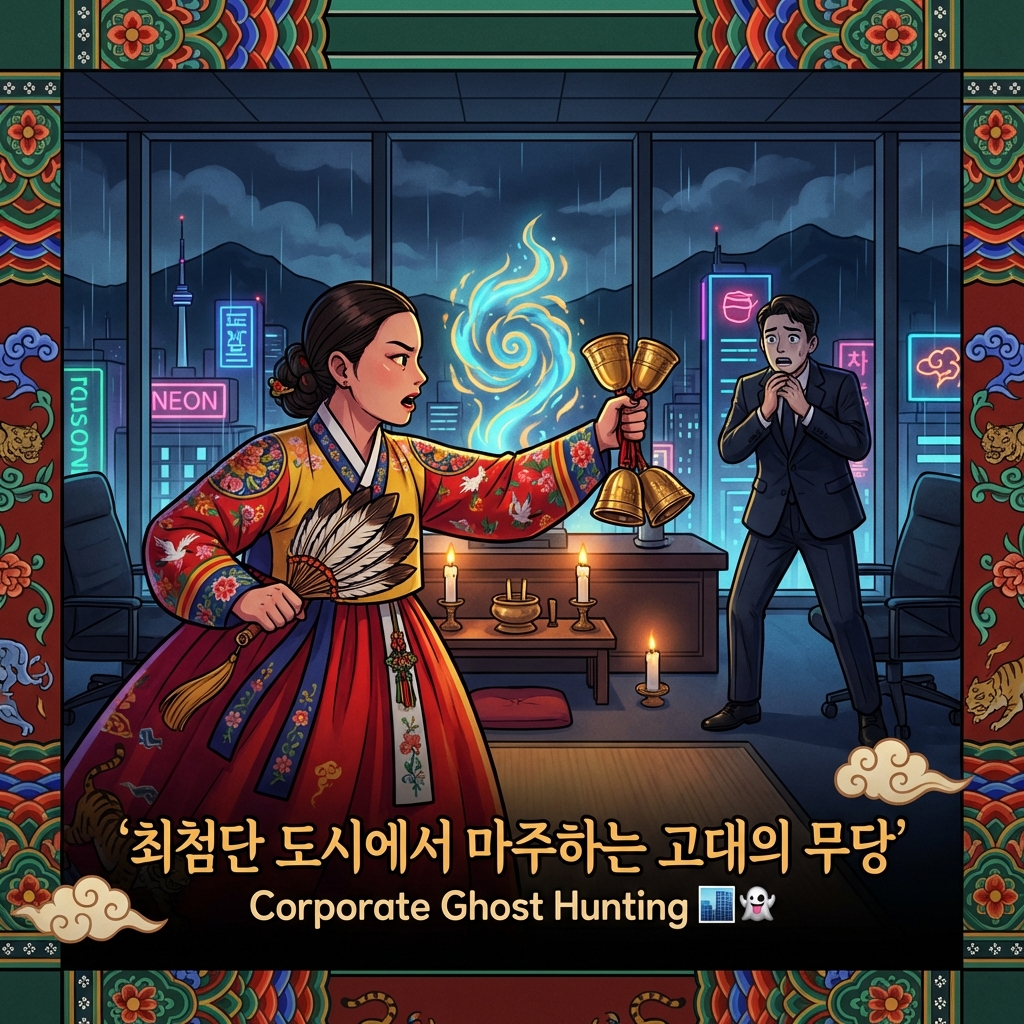
The Modern Shamans
무속신앙From ancient rituals to modern boardrooms, Korean shamanism continues to thrive as a vibrant and influential spiritual practice.
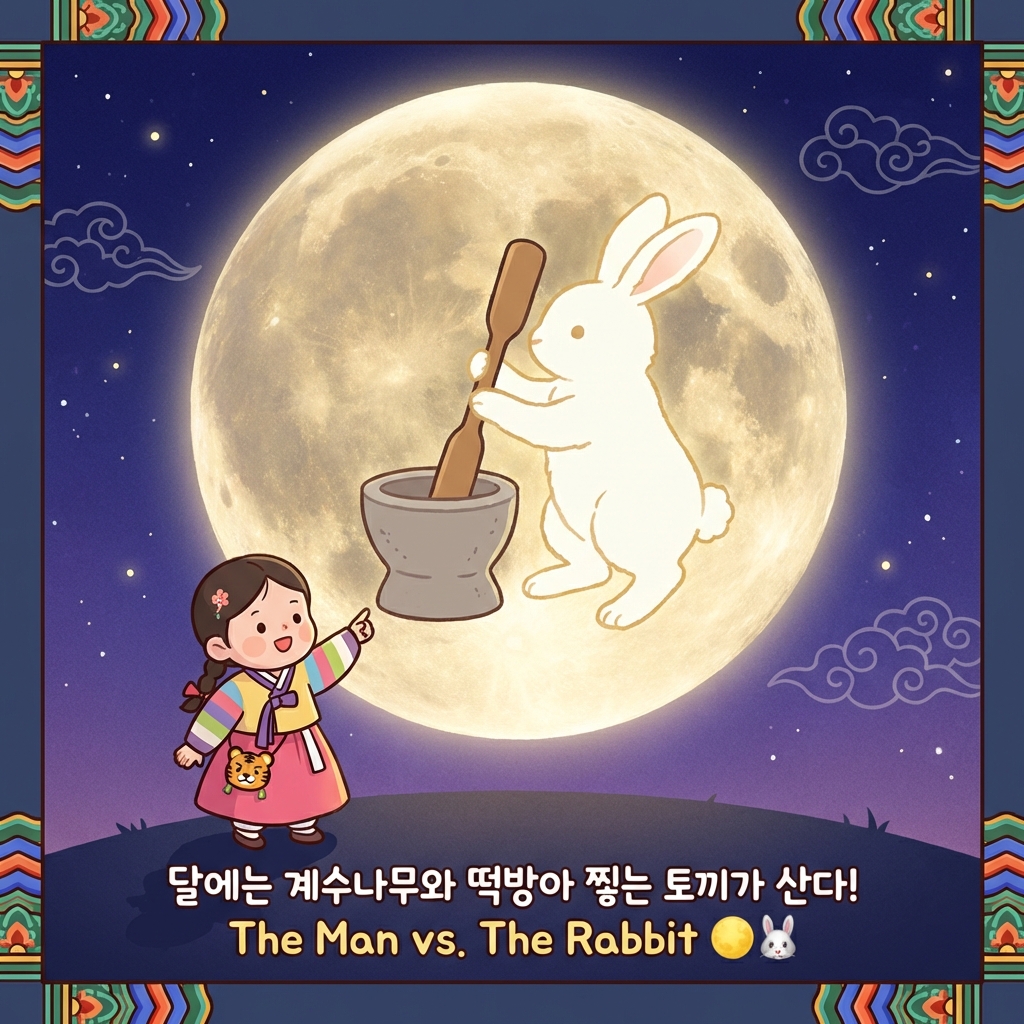
The Mortar-Pounding Myth
달토끼From the divine origins of the Korean people to the modern-day consumption of garlic, the legend of the Bear Woman continues to shape Korean identity and culture.
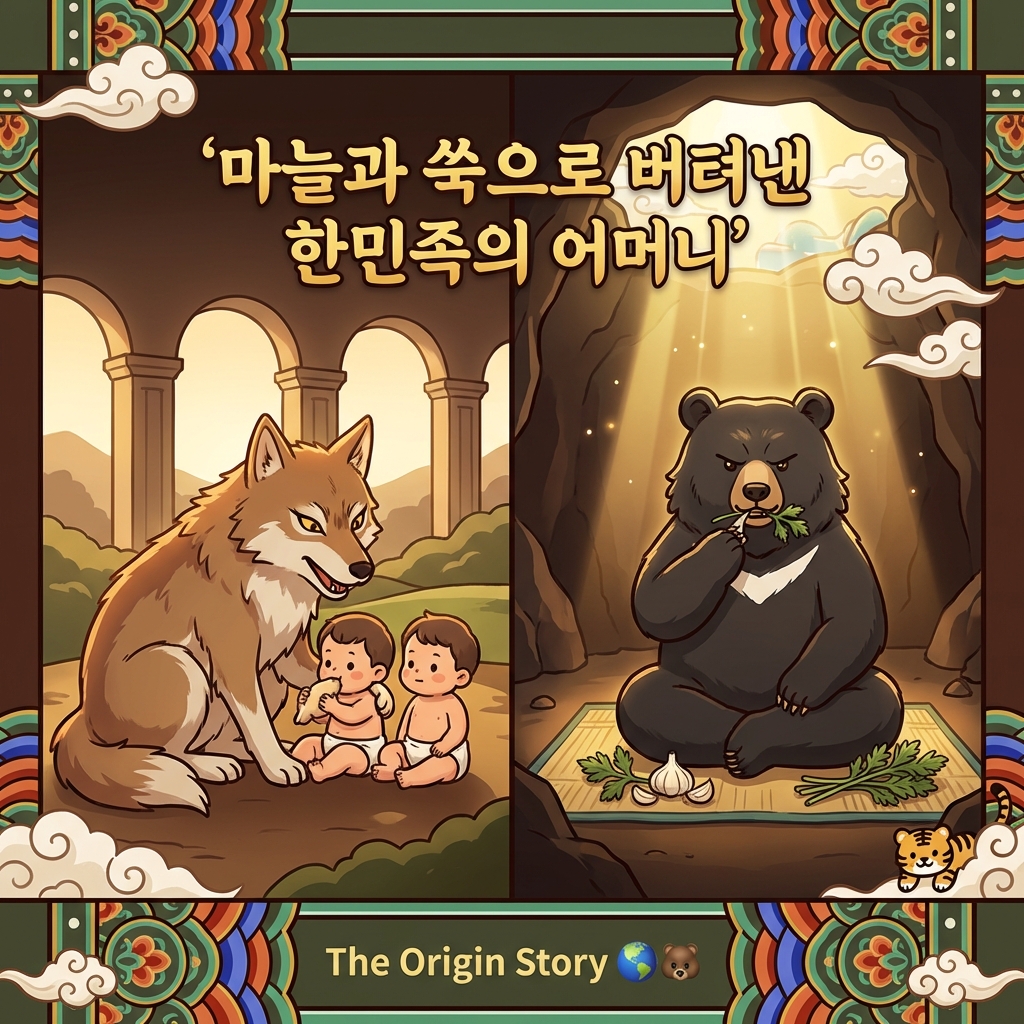
The Mother of the Korean People
곰From the divine origins of the Korean people to the modern-day consumption of garlic, the legend of the Bear Woman continues to shape Korean identity and culture.
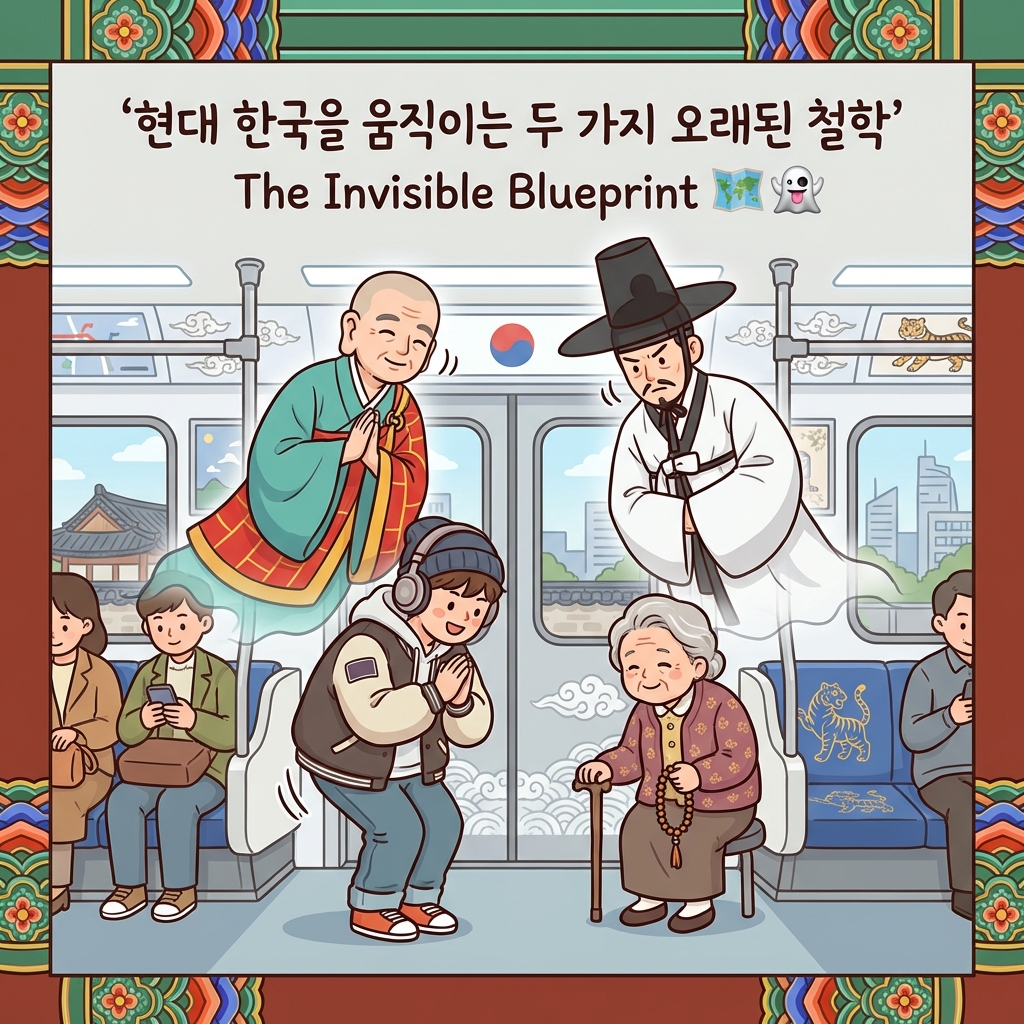
The Twin Pillars
유교와 불교Beneath the neon lights of modern Korea lie the invisible laws of Confucianism and the spiritual calm of Buddhism, shaping every interaction and belief.