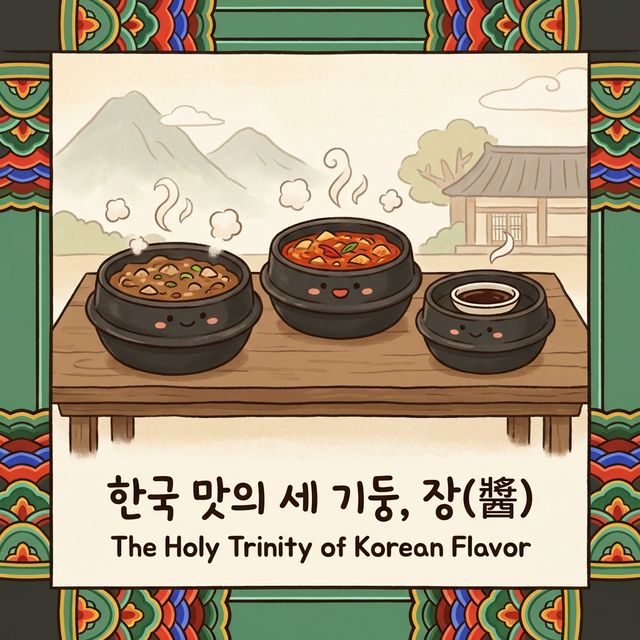
The Holy Trinity of Korean Flavor 🏺
You are absolutely right! If you want to understand Korean cooking, there aren’t just two pillars—there are three heavyweights of the pantry 🥫.
Meet the “Jang” (장) family: Doenjang (Soybean Paste), Gochujang (Red Chili Paste), and Ganjang (Soy Sauce) 🤎❤️🖤.
Meet the “Jang” (장) family: Doenjang (Soybean Paste), Gochujang (Red Chili Paste), and Ganjang (Soy Sauce) 🤎❤️🖤.
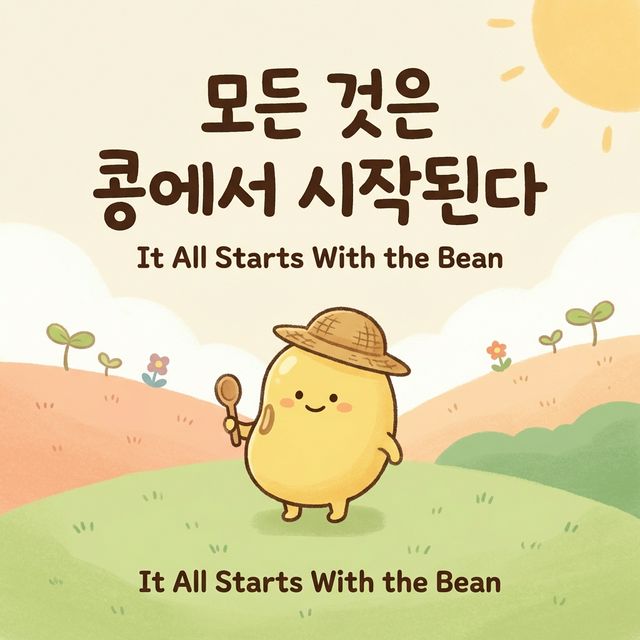
It All Starts With the Bean 🫘
The foundation of this flavor empire is Meju (메주) 🧱.
Meju is a fermented block of boiled soybeans. The beans are mashed, shaped into bricks, and hung up to dry and naturally ferment in the winter ❄️.
Meju is a fermented block of boiled soybeans. The beans are mashed, shaped into bricks, and hung up to dry and naturally ferment in the winter ❄️.
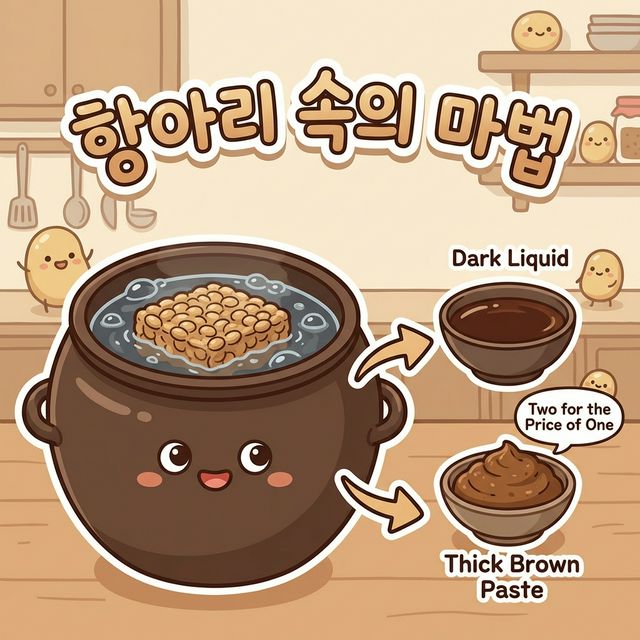
Two for the Price of One ✌️
Doenjang and Ganjang are twins born from the exact same pot! 🏺
When those Meju bricks are soaked in saltwater inside an Onggi pot, the liquid eventually turns dark and savory 🌊. That liquid is drained off to become Ganjang (Soy Sauce), and the leftover solid mashed beans become Doenjang! 🤎
When those Meju bricks are soaked in saltwater inside an Onggi pot, the liquid eventually turns dark and savory 🌊. That liquid is drained off to become Ganjang (Soy Sauce), and the leftover solid mashed beans become Doenjang! 🤎
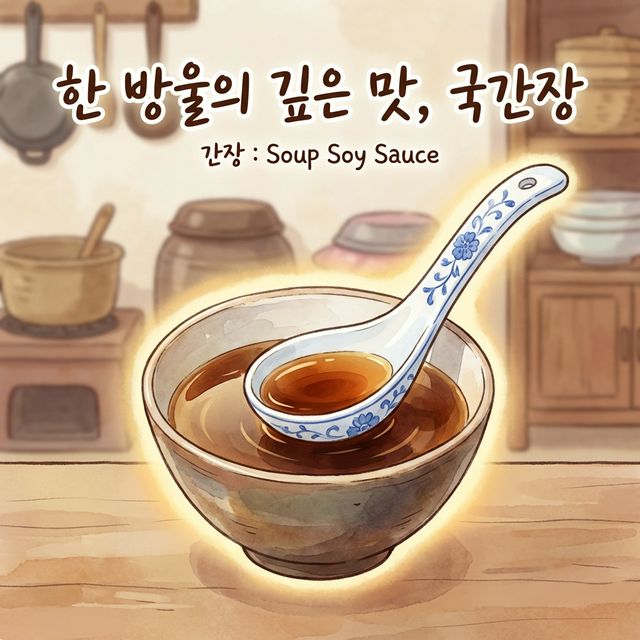
간장: Soup Soy Sauce 🍲
Korean traditional soy sauce (Joseon Ganjang or Guk-ganjang) is different from the sweet, thick soy sauce you might dip sushi into 🍣.
It is a lighter color but much saltier and vastly more rich in umami ✨. A single drop is used to season traditional soups (like Miyeok-guk) without turning the broth dark 🥣.
It is a lighter color but much saltier and vastly more rich in umami ✨. A single drop is used to season traditional soups (like Miyeok-guk) without turning the broth dark 🥣.
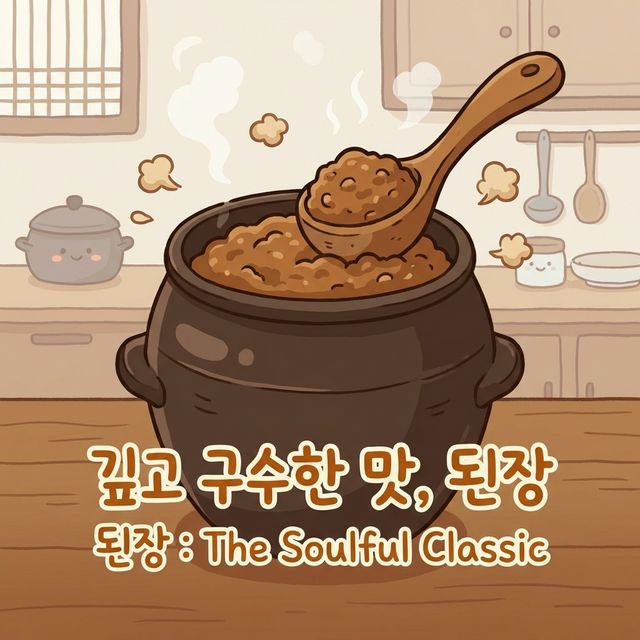
된장: The Soulful Classic 😌
The solid leftovers become 된장 (Doenjang) 🤎.
된 (doen) = thick/hard. 장 (jang) = paste/sauce.
It is the ultimate “umami” bomb 💣. It’s earthy, pungent, and famously described as smelling like “dirty socks” 🧦 to the uninitiated (but tasting like heaven as a stew base ☁️).
된 (doen) = thick/hard. 장 (jang) = paste/sauce.
It is the ultimate “umami” bomb 💣. It’s earthy, pungent, and famously described as smelling like “dirty socks” 🧦 to the uninitiated (but tasting like heaven as a stew base ☁️).
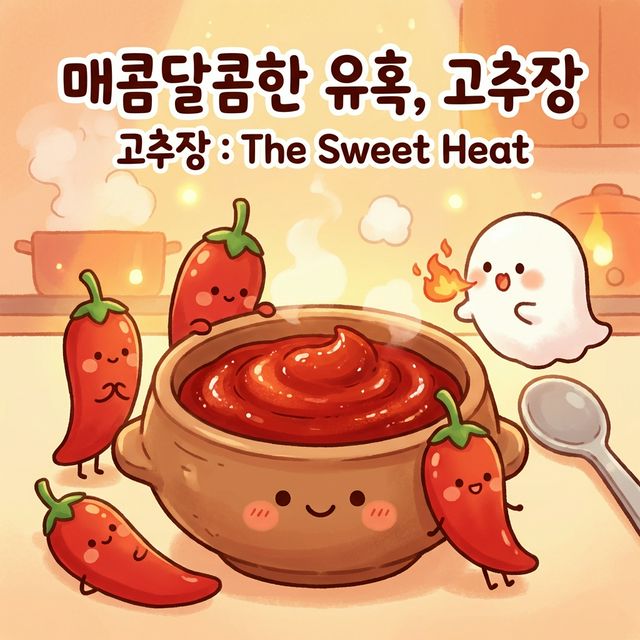
고추장: The Sweet Heat 🔥
고추 (Gochu) = Chili Pepper 🌶️.
Introduced to Korea in the 16th century (much later than Doenjang and Ganjang!), Gochujang mixes fermented soybean powder with glutinous rice and massive amounts of red chili powder 💥.
The result? A sticky 🍯, sweet, spicy, and deeply fermented kick used in Tteokbokki and Bibimbap! 🥘
Introduced to Korea in the 16th century (much later than Doenjang and Ganjang!), Gochujang mixes fermented soybean powder with glutinous rice and massive amounts of red chili powder 💥.
The result? A sticky 🍯, sweet, spicy, and deeply fermented kick used in Tteokbokki and Bibimbap! 🥘
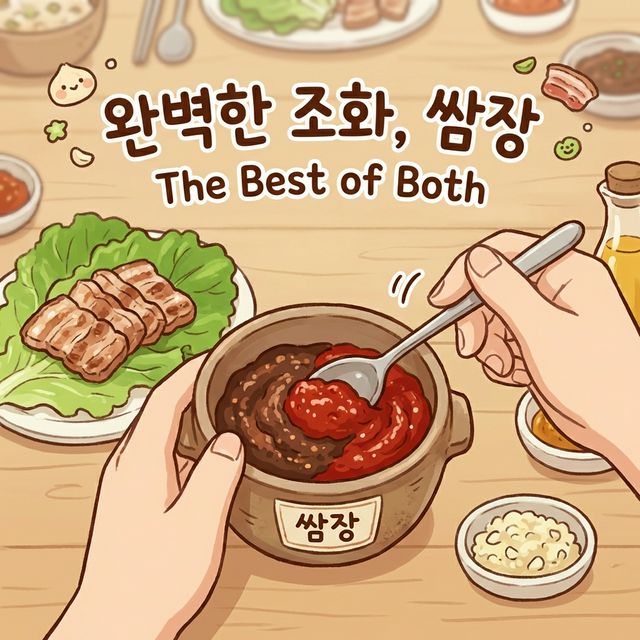
The Best of Both 🏆
Can’t decide between Doenjang and Gochujang? Mix them! 🌀
쌈장 (Ssamjang) combines Doenjang, Gochujang, garlic 🧄, and sesame oil. It is the absolute best, mandatory dipping sauce for Korean BBQ lettuce wraps 🥬🥩.
쌈장 (Ssamjang) combines Doenjang, Gochujang, garlic 🧄, and sesame oil. It is the absolute best, mandatory dipping sauce for Korean BBQ lettuce wraps 🥬🥩.

Want to See It in Action? 🎬
To see the emotional healing power of Gochujang and Bibimbap, you must watch the classic 2005 K-Drama My Lovely Sam Soon 💔.
The iconic scene of her angrily mixing a massive bowl of rice and Gochujang while heartbroken is pure Korean cultural heritage 🍚🥣.
The iconic scene of her angrily mixing a massive bowl of rice and Gochujang while heartbroken is pure Korean cultural heritage 🍚🥣.
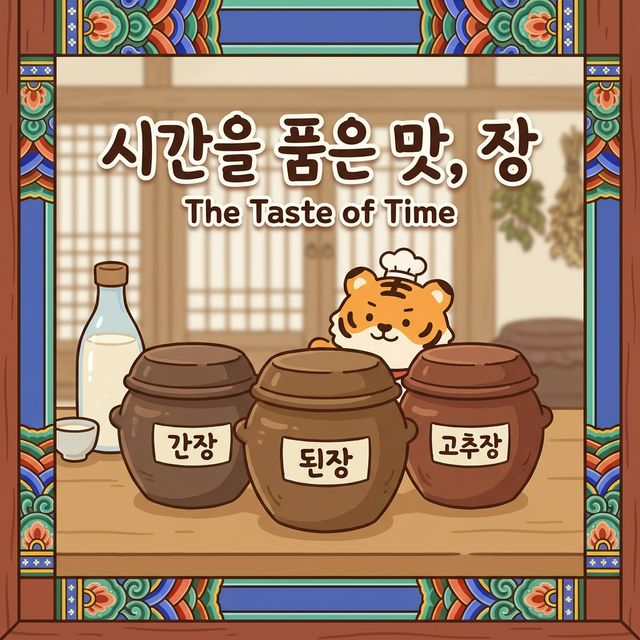
The Taste of Time ⏳
Which of the three Jangs is the absolute staple in your kitchen? Tell us below! 👇🔥🤎
1 / 9