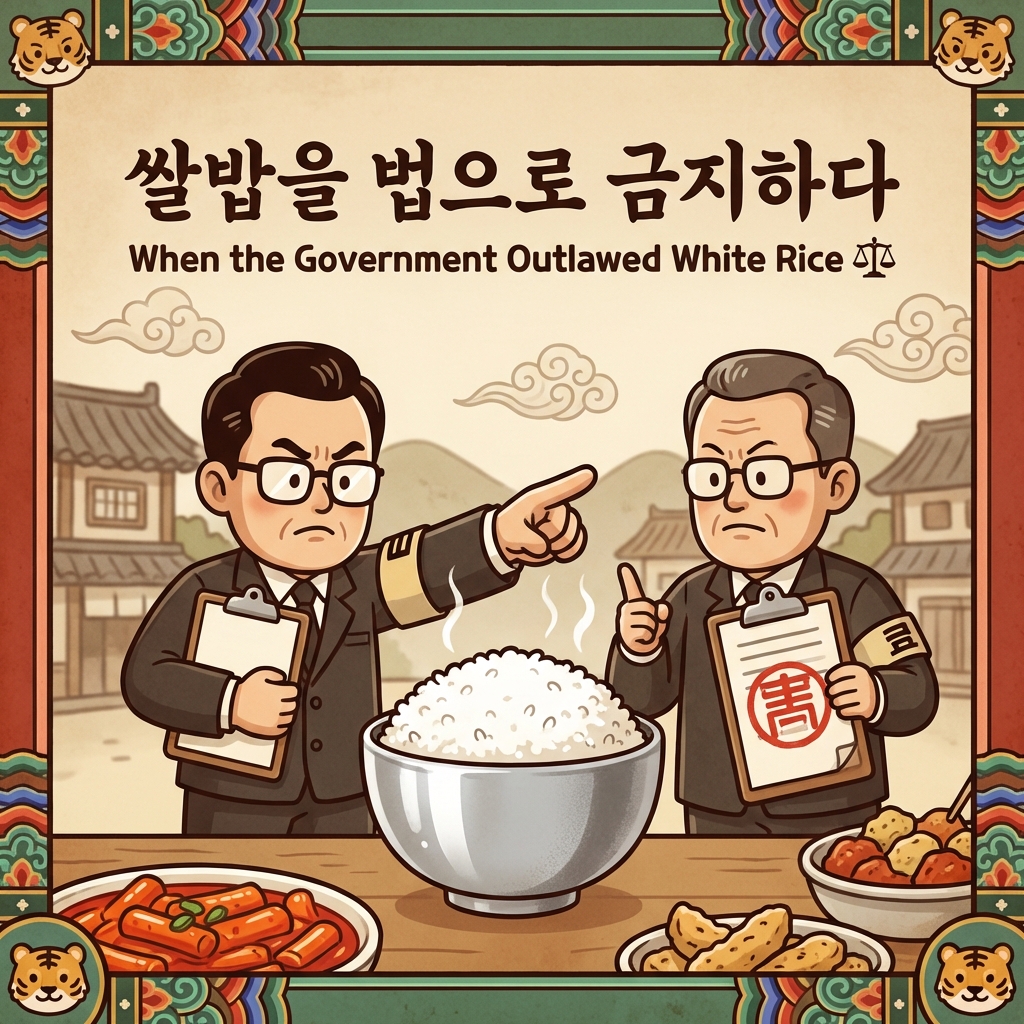
When the Government Outlawed White Rice ⚖️
Did you know that some of Korea’s most beloved modern street foods were actually born out of strict government mandates? 🤯
Welcome to the fascinating history of Bunsik (flour-based food) 🍜.
Welcome to the fascinating history of Bunsik (flour-based food) 🍜.
The Post-War Shortage 📉
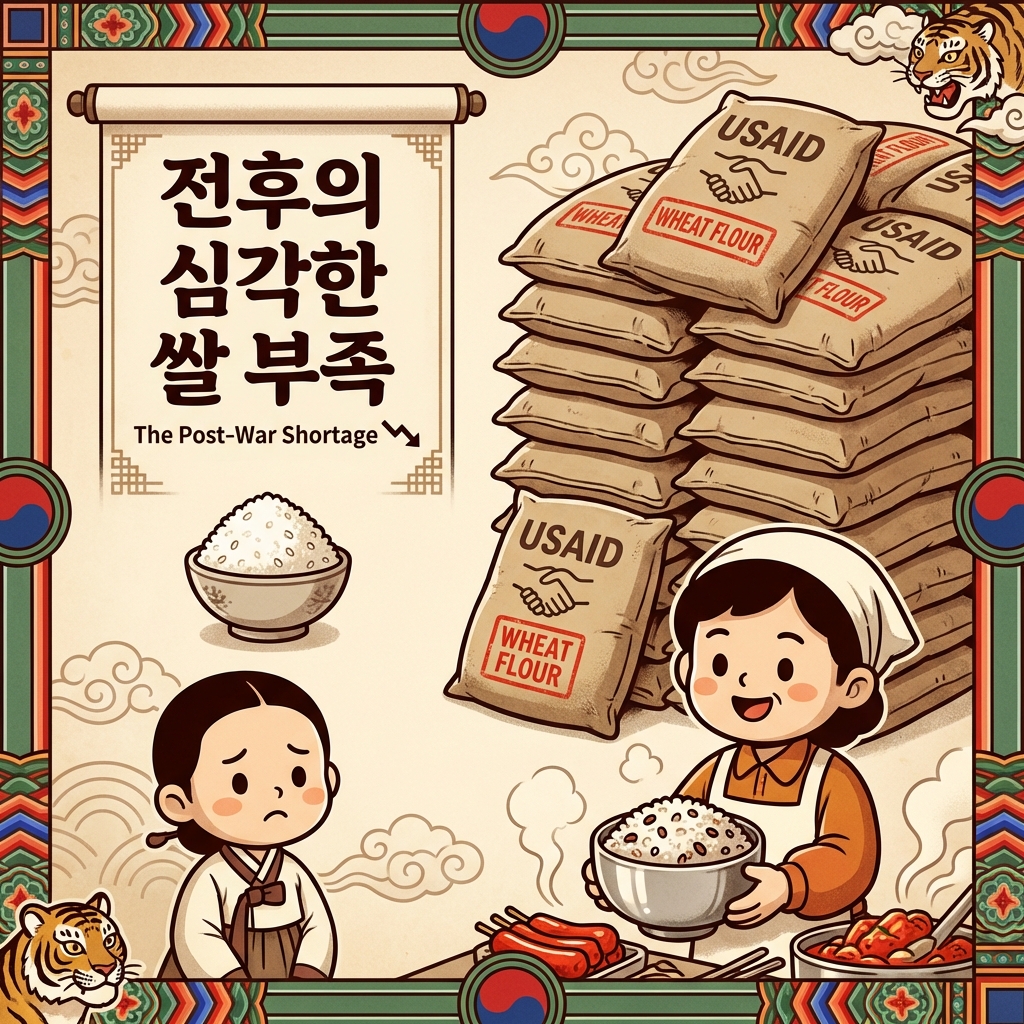
In the 1960s and 70s, post-war South Korea was rapidly industrializing 🏭, but struggling with a massive rice shortage 🍚📉.
However, the country was receiving vast amounts of cheap wheat flour as foreign aid from the United States 🇺🇸. The government needed the people to stop eating rice and start eating flour 🌾.
However, the country was receiving vast amounts of cheap wheat flour as foreign aid from the United States 🇺🇸. The government needed the people to stop eating rice and start eating flour 🌾.
The “Mixed Rice” Law 🗞️
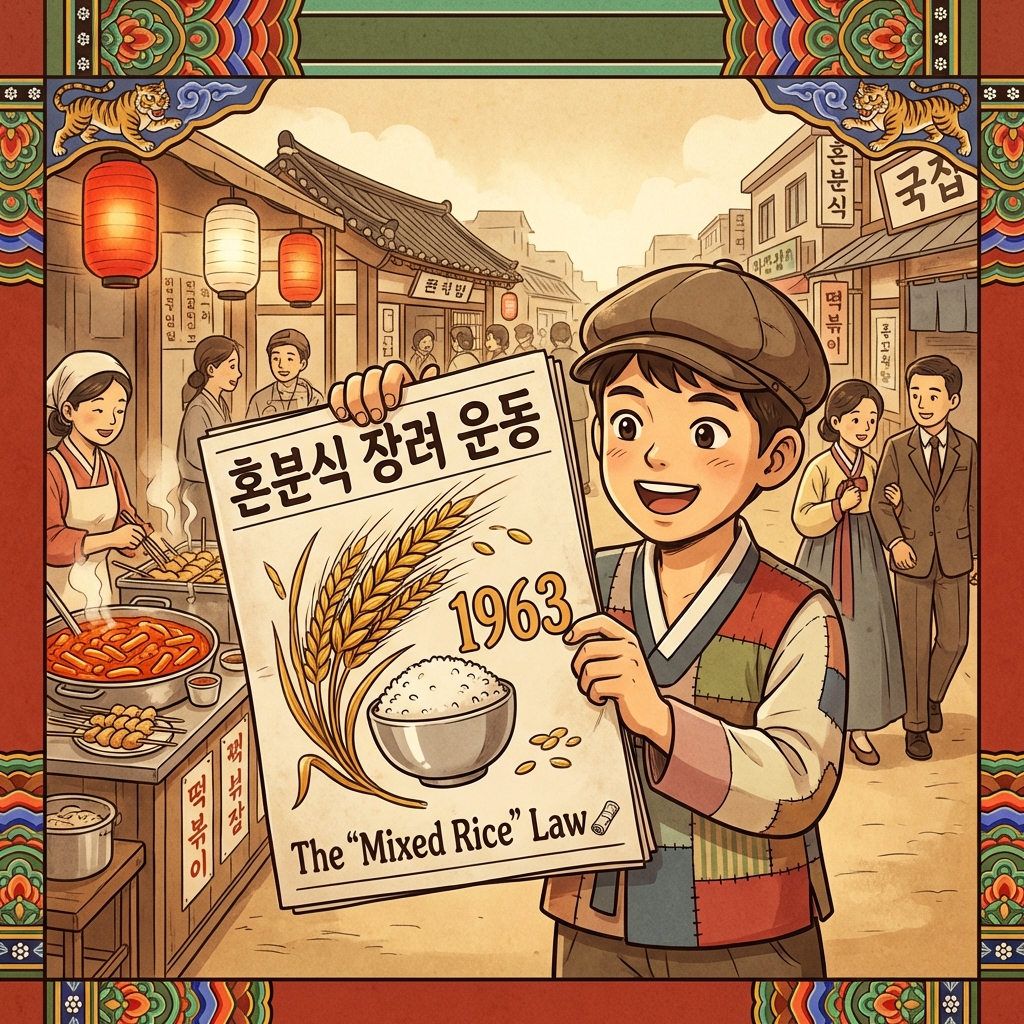
In 1963, the government went to extremes to preserve rice ⚖️.
Restaurants were legally banned from selling pure white rice 🚫. They were mandated to mix at least 25% barley or beans into every bowl they served 🫘. Violators could literally be shut down! 🚨
Restaurants were legally banned from selling pure white rice 🚫. They were mandated to mix at least 25% barley or beans into every bowl they served 🫘. Violators could literally be shut down! 🚨
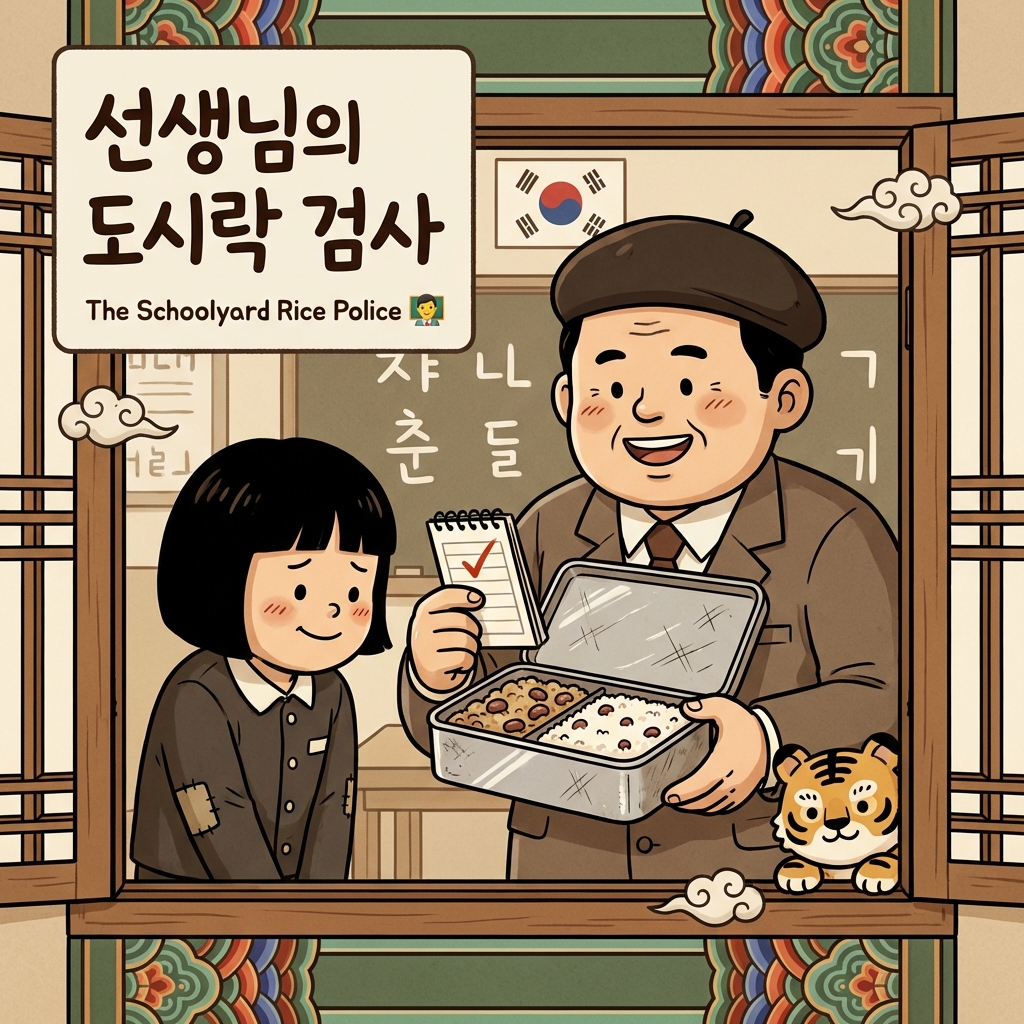
The Schoolyard Rice Police 👨🏫
The enforcement happened in schools, too! 🎒
Teachers would conduct daily “lunchbox inspections.” 👀 If a student brought pure white rice from home without mixing it with barley (bori) or beans 🫘, they would be scolded or punished 📏.
Teachers would conduct daily “lunchbox inspections.” 👀 If a student brought pure white rice from home without mixing it with barley (bori) or beans 🫘, they would be scolded or punished 📏.
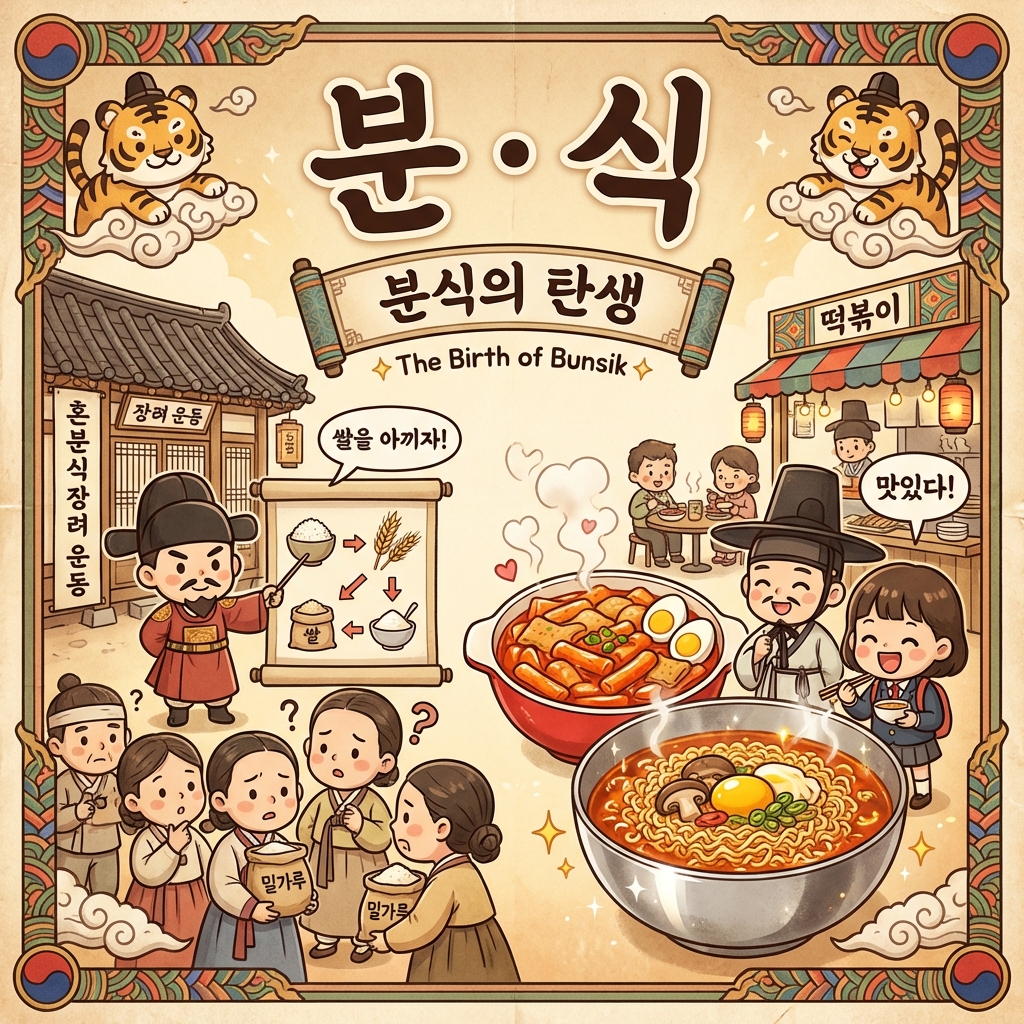
The Birth of Bunsik ✨
The government aggressively promoted 분식 (Bunsik) — meaning “flour-based food” 🌾.
Wednesday and Saturday were declared “No Rice Days.” 🗓️
Because of this, bakeries 🍞, noodle shops 🍜, and flour-based instant ramen exploded in popularity 📈.
Wednesday and Saturday were declared “No Rice Days.” 🗓️
Because of this, bakeries 🍞, noodle shops 🍜, and flour-based instant ramen exploded in popularity 📈.
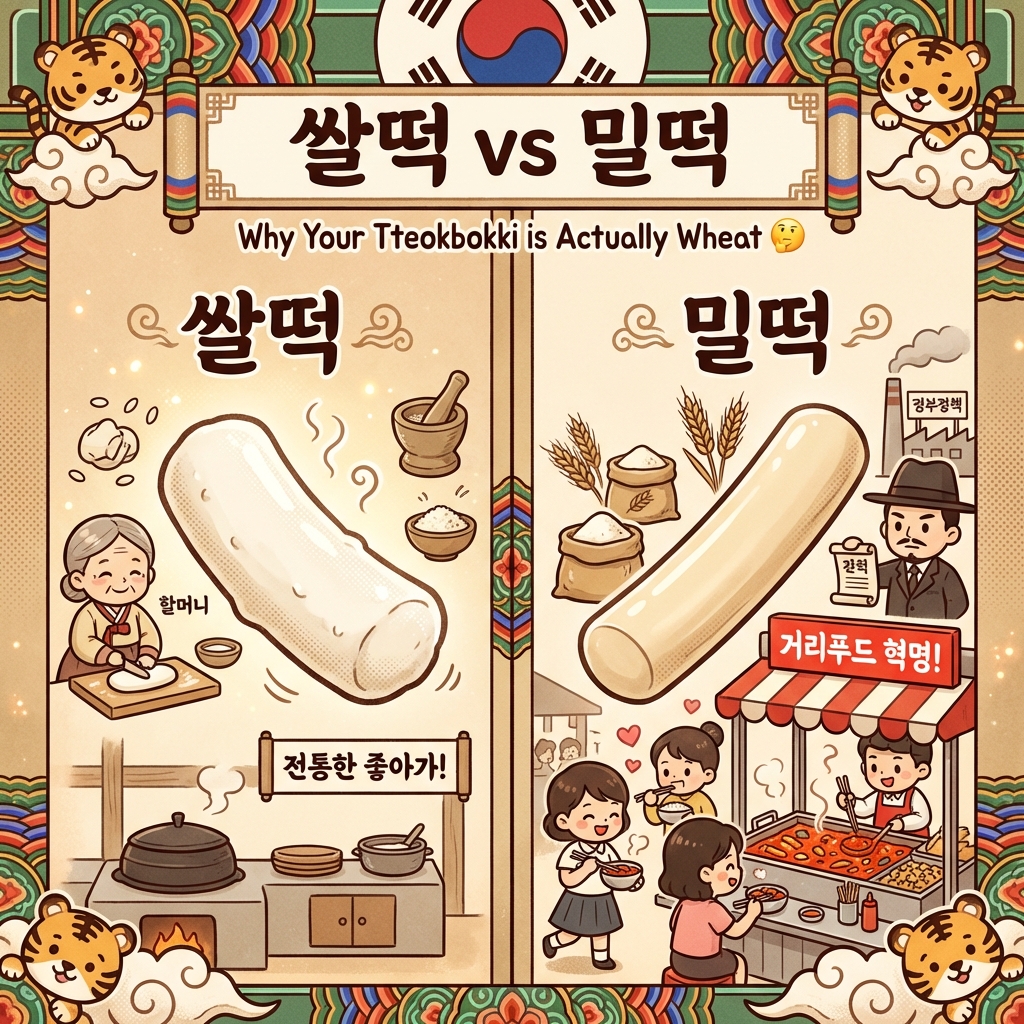
Why Your Tteokbokki is Actually Wheat 🤔
Tteokbokki was originally made with rice cakes (쌀떡) 🍡.
But because rice was restricted, street vendors started making the cakes out of cheap wheat flour instead! 🌾 Today, “Mil-tteok” (Wheat Tteokbokki) is still fiercely loved for its unique, sauce-soaking texture ❤️🍯.
But because rice was restricted, street vendors started making the cakes out of cheap wheat flour instead! 🌾 Today, “Mil-tteok” (Wheat Tteokbokki) is still fiercely loved for its unique, sauce-soaking texture ❤️🍯.
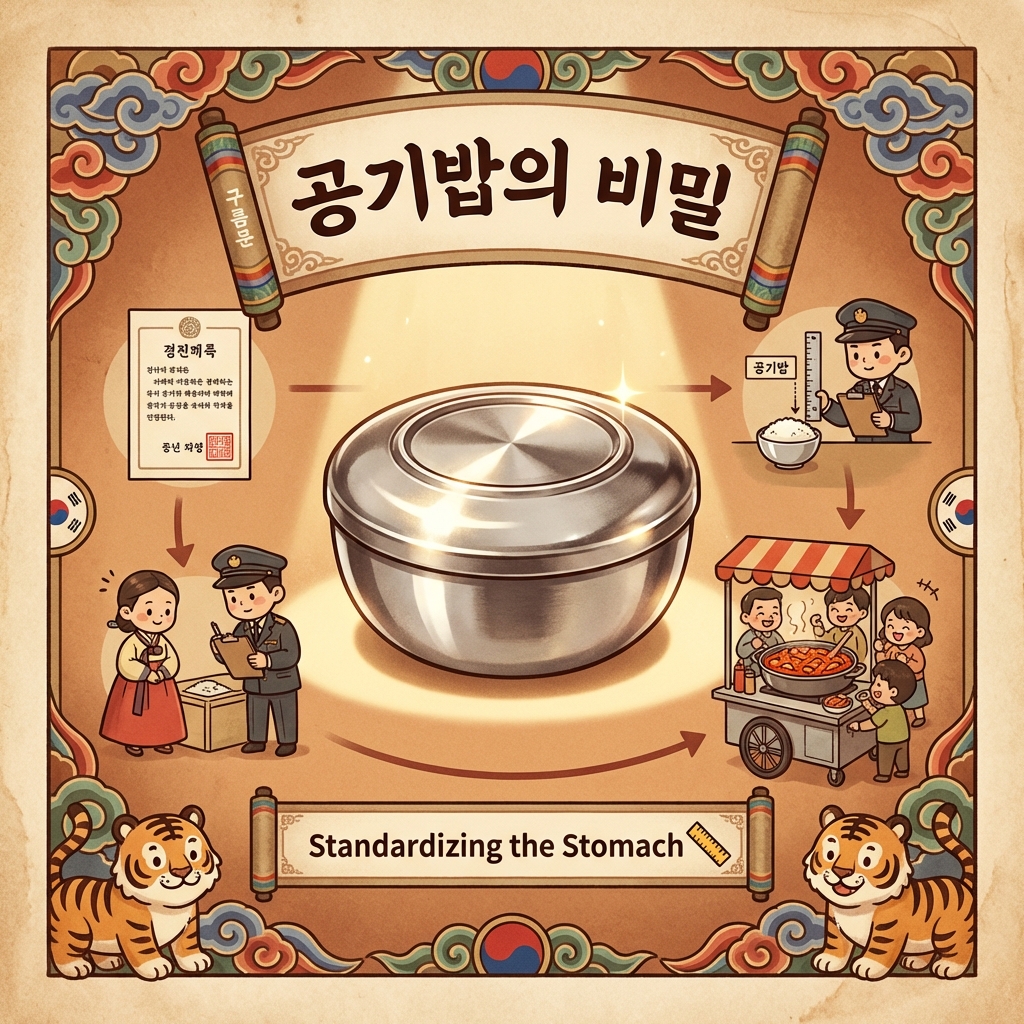
Standardizing the Stomach 📏
Ever wonder why every restaurant in Korea serves rice in the exact same stainless steel bowl with a lid? 🧐
In 1973, the government mandated the exact dimensions (10.5cm diameter x 6cm depth) to forcefully reduce portion sizes and save rice across the nation! 📉
In 1973, the government mandated the exact dimensions (10.5cm diameter x 6cm depth) to forcefully reduce portion sizes and save rice across the nation! 📉
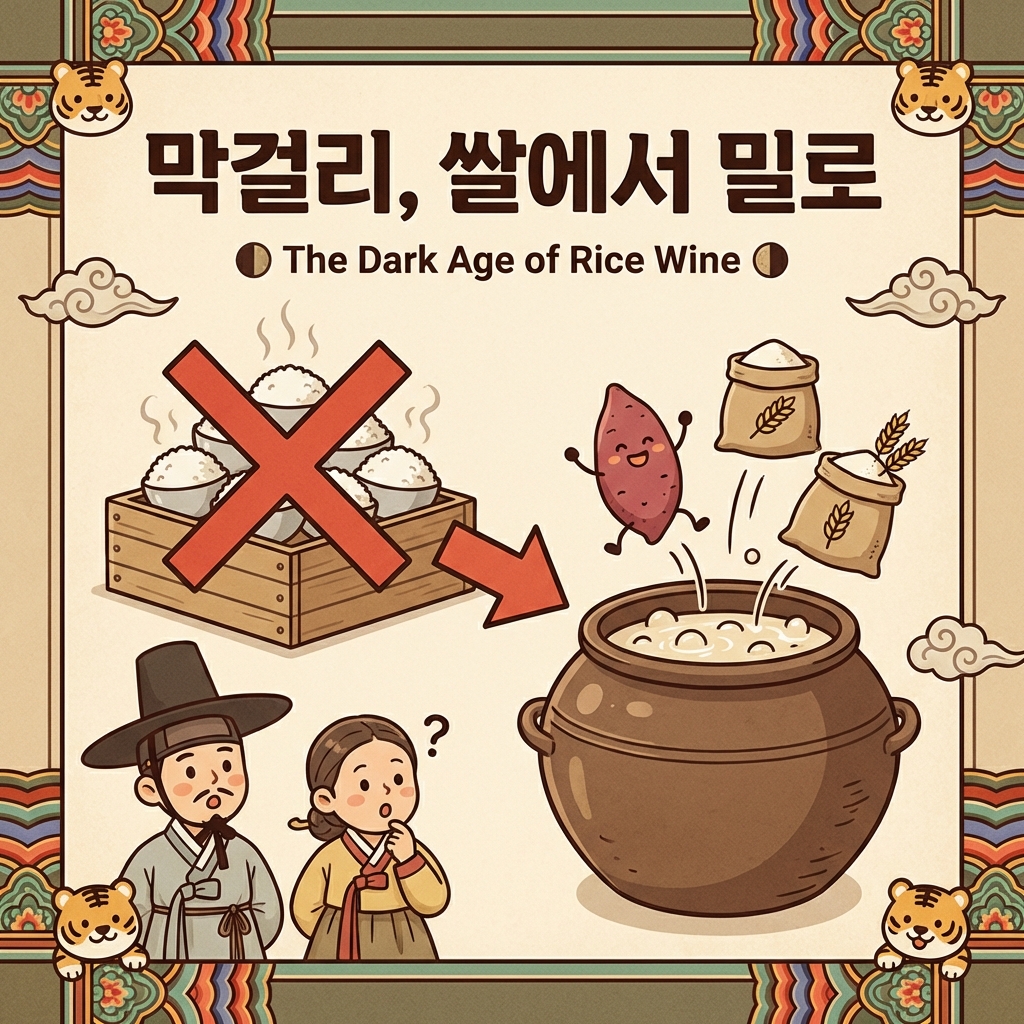
The Dark Age of Rice Wine 🌑
Even alcohol wasn’t spared 🍺. From 1965 to 1989, it was illegal to use pure rice to brew Makgeolli.
Brewers had to adapt by using wheat flour, potatoes 🥔, or corn 🌽. This completely shifted the flavor profile of the drink for an entire generation, before real rice Makgeolli (like JS Brewery 🥂) eventually returned! 🙌
Brewers had to adapt by using wheat flour, potatoes 🥔, or corn 🌽. This completely shifted the flavor profile of the drink for an entire generation, before real rice Makgeolli (like JS Brewery 🥂) eventually returned! 🙌
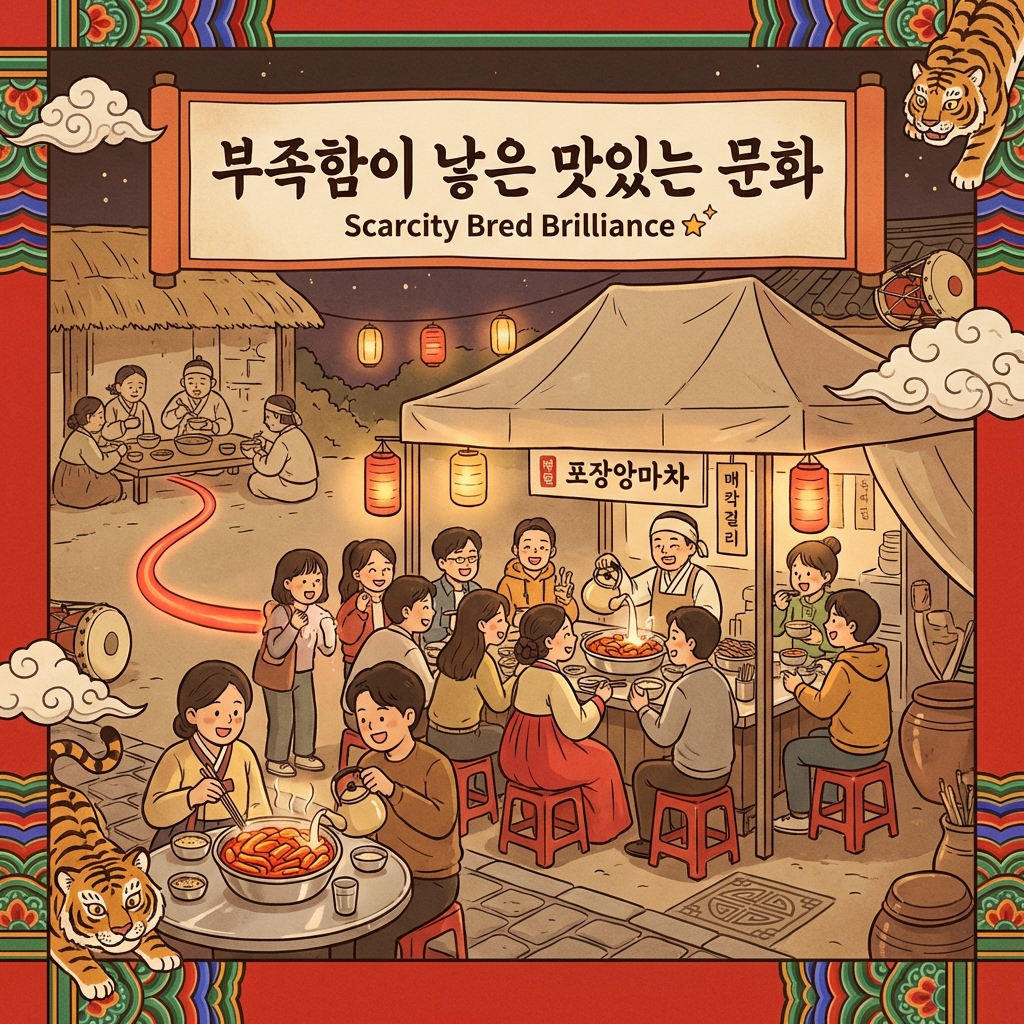
Scarcity Bred Brilliance 🌟
Did you know your favorite street food was shaped by the government? 👇📜🇰🇷
1 / 9