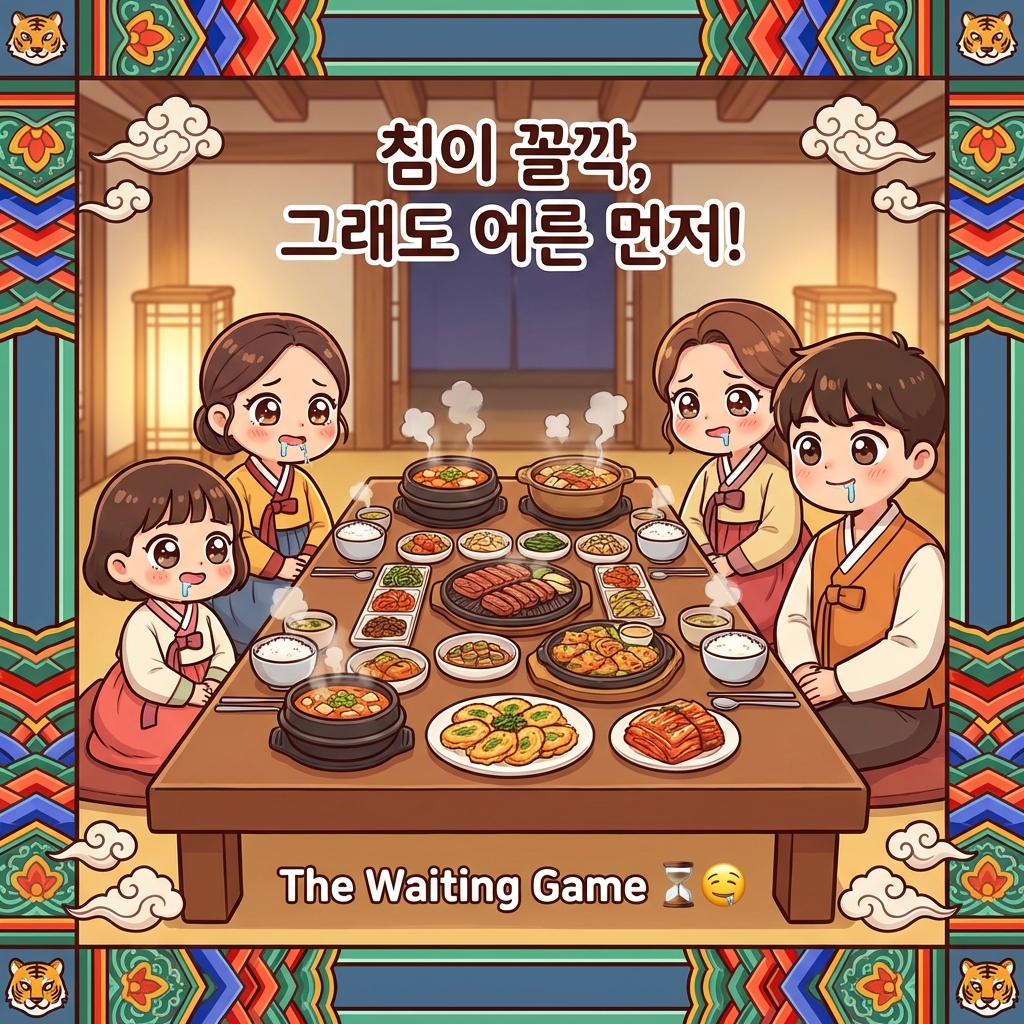
The Waiting Game ⏳🤤
The food has arrived. It is hot, steaming, and you are absolutely starving 🥩🔥!
But you cannot touch it. You cannot even pick up your spoon! 🛑🥄
In Korea, no matter how hungry you are, the entire table is paralyzed by a single, invisible force field of respect: The Elder Rule. 👴
But you cannot touch it. You cannot even pick up your spoon! 🛑🥄
In Korea, no matter how hungry you are, the entire table is paralyzed by a single, invisible force field of respect: The Elder Rule. 👴
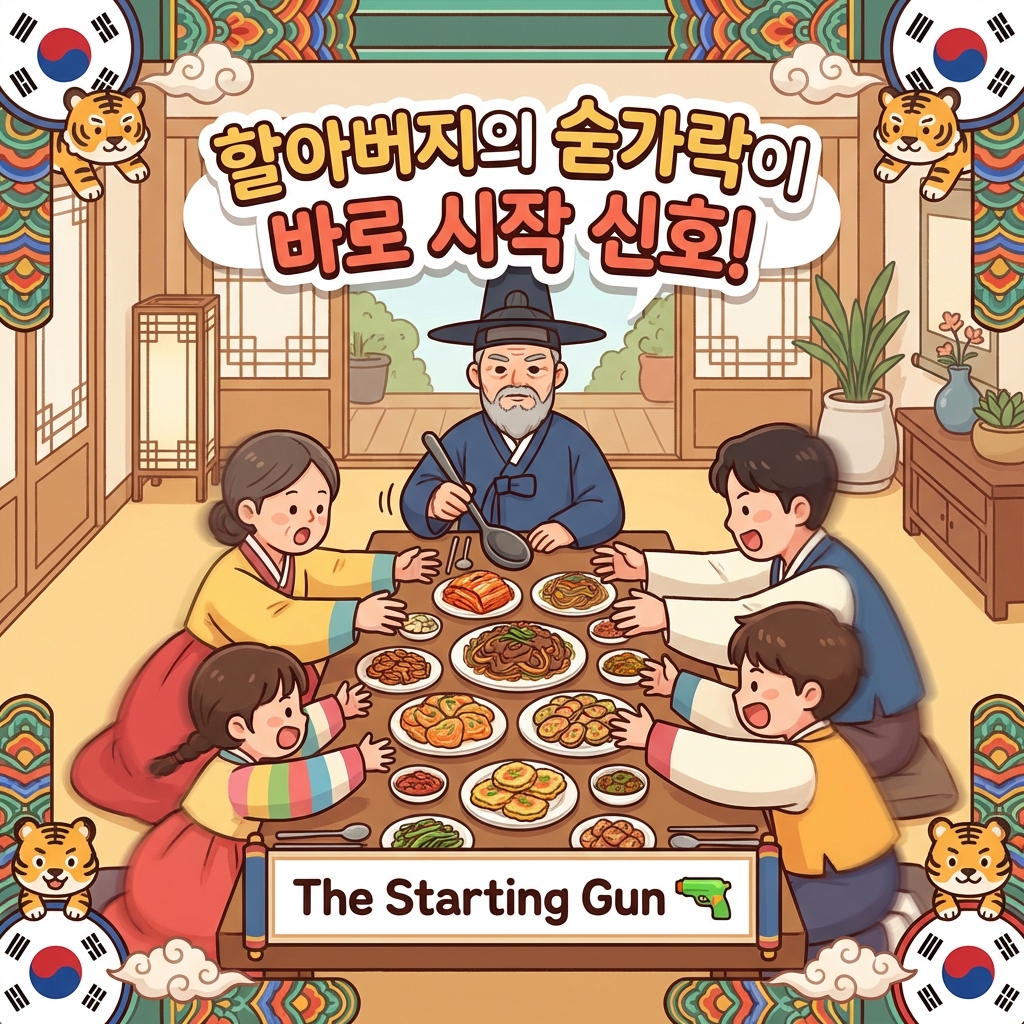
The Starting Gun 🔫
Korean dining operates on a strict hierarchy based on age 📈.
The youngest person at the table must wait until the absolute oldest or highest-ranking person (the Eoreun / 어른) physically lifts their spoon or chopsticks and takes the very first bite 👄.
That single movement is the universal green light for everyone else to finally start eating! 🟢🏁
The youngest person at the table must wait until the absolute oldest or highest-ranking person (the Eoreun / 어른) physically lifts their spoon or chopsticks and takes the very first bite 👄.
That single movement is the universal green light for everyone else to finally start eating! 🟢🏁
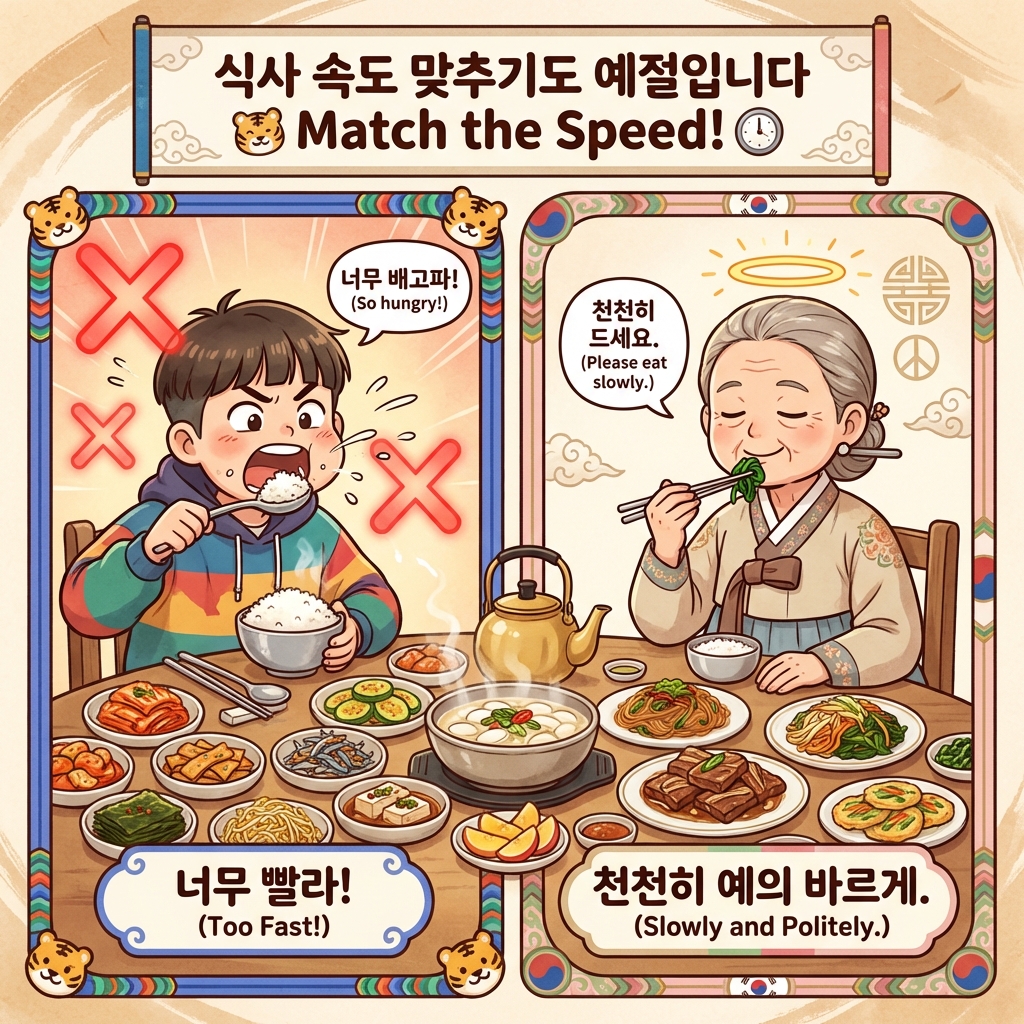
Match the Speed! ⏱️
You started eating properly! Excellent. Now, you must control your speed 🏎️🛑!
It is considered incredibly rude for a young person to violently shovel their food and finish their entire meal while the elder is only halfway done 🍽️.
You must covertly monitor the elder’s pacing (Nunchi / 눈치) and artificially slow down your own eating so everyone finishes together! 🐢
It is considered incredibly rude for a young person to violently shovel their food and finish their entire meal while the elder is only halfway done 🍽️.
You must covertly monitor the elder’s pacing (Nunchi / 눈치) and artificially slow down your own eating so everyone finishes together! 🐢
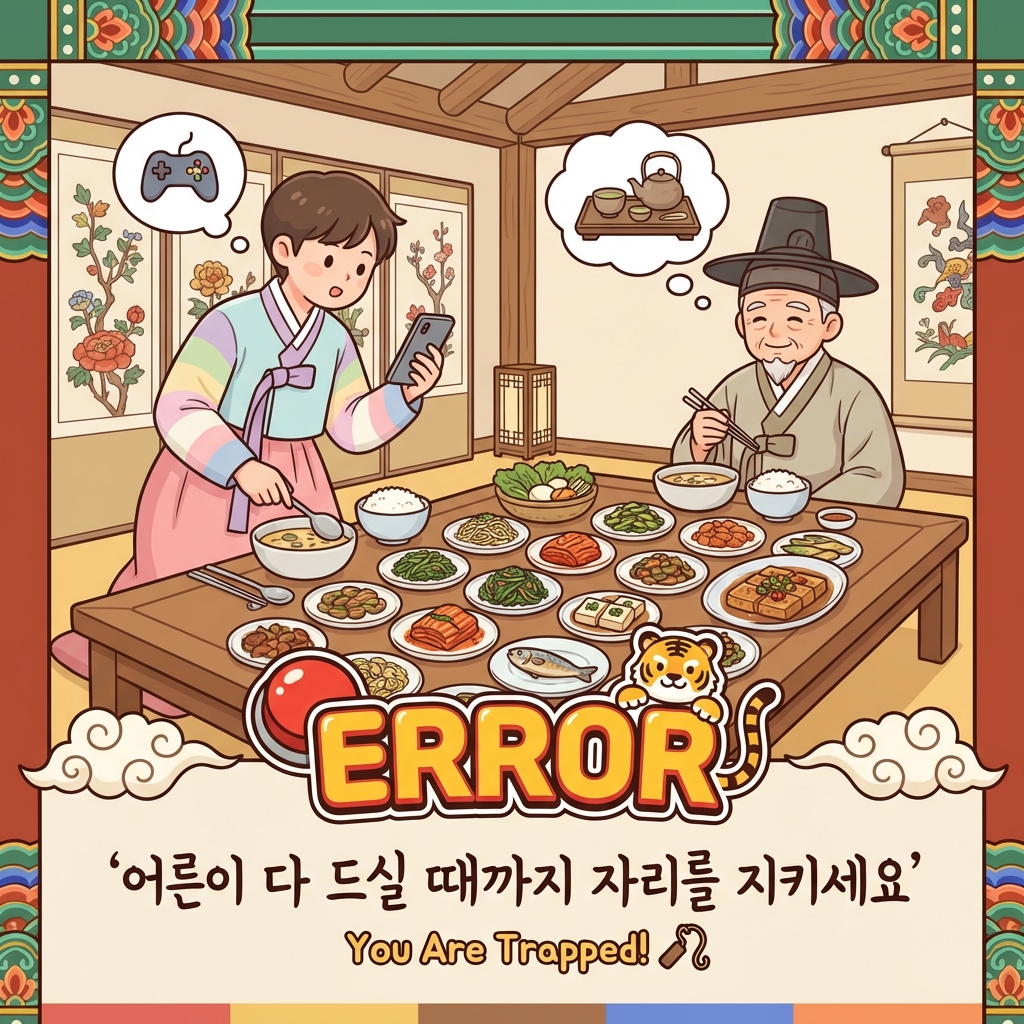
You Are Trapped! 🪤
So you’ve slowed down, but you still finished your bowl early…
Can you say “Excuse me” and leave the table? Absolutely not! 🚫🏃♂️
Until the elder places their spoon down on the table (signaling they are completely finished), the younger diners must remain seated upright, keeping them company respectfully until the meal is officially dismissed! 🕰️🙇♂️
Can you say “Excuse me” and leave the table? Absolutely not! 🚫🏃♂️
Until the elder places their spoon down on the table (signaling they are completely finished), the younger diners must remain seated upright, keeping them company respectfully until the meal is officially dismissed! 🕰️🙇♂️
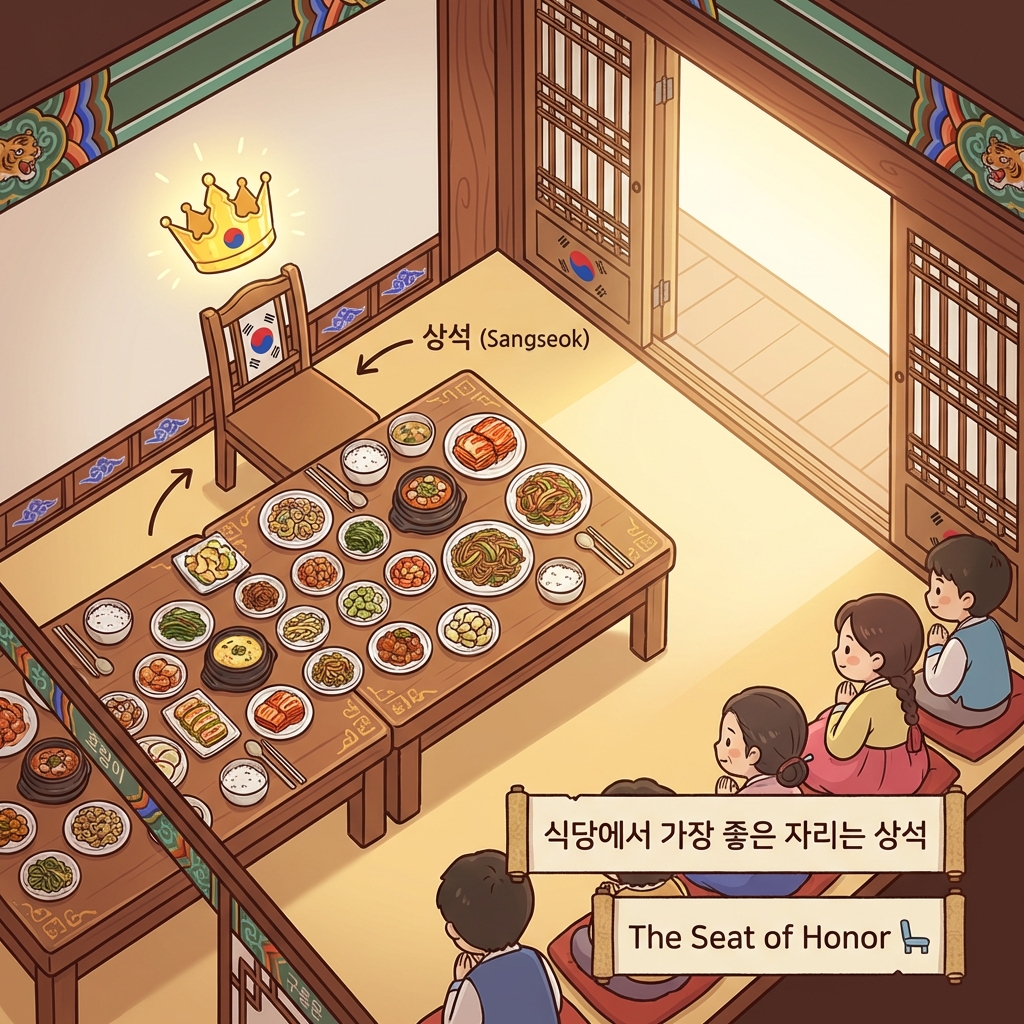
The Seat of Honor 💺
The respect begins before the food even arrives! 🚪
When entering a room, the youngest person must immediately identify the 상석 (Sangseok)—the Seat of Honor 👑.
This is always the seat furthest from the door, facing the entrance (and usually the warmest spot against the wall). The youngest must aggressively guide the elder to this seat while taking the worst drafty seat near the chaotic doorway for themselves! 🥶🚪
When entering a room, the youngest person must immediately identify the 상석 (Sangseok)—the Seat of Honor 👑.
This is always the seat furthest from the door, facing the entrance (and usually the warmest spot against the wall). The youngest must aggressively guide the elder to this seat while taking the worst drafty seat near the chaotic doorway for themselves! 🥶🚪
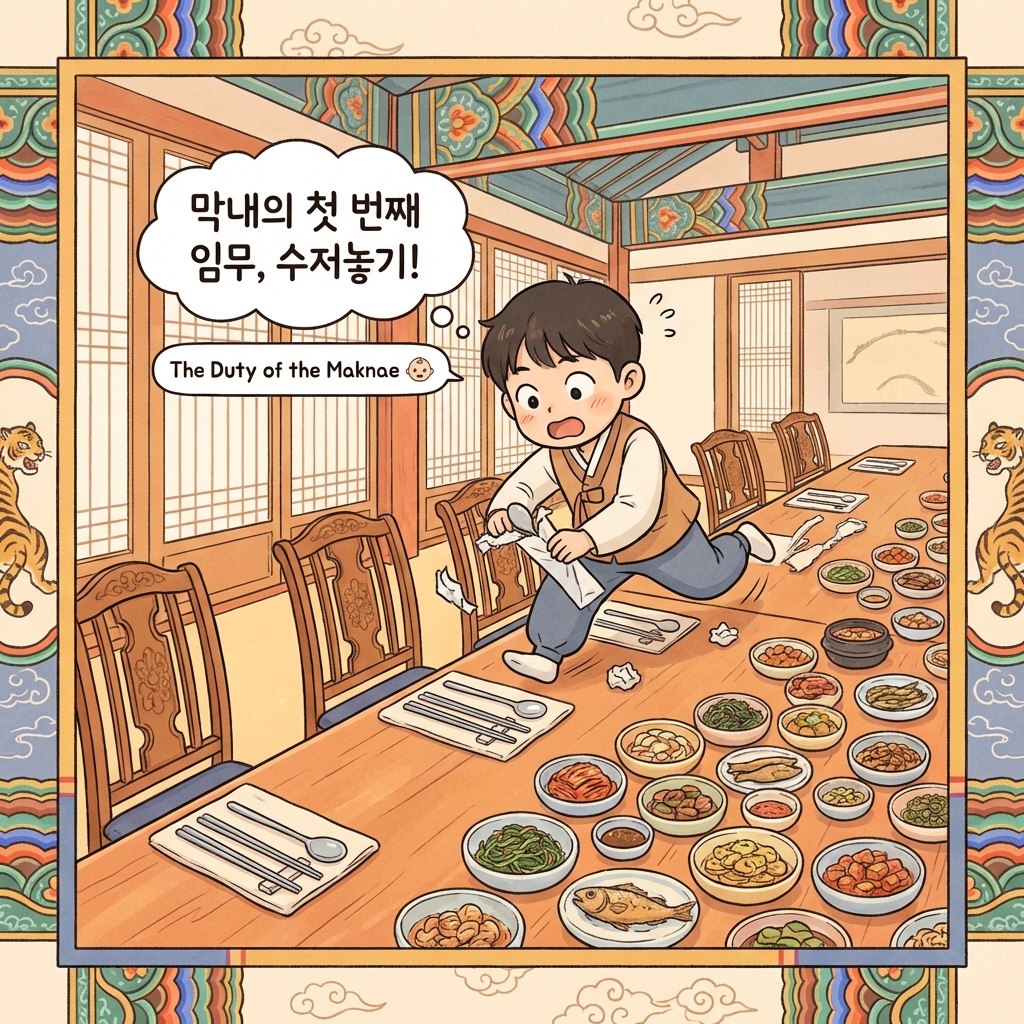
The Duty of the Maknae 👶
In a company dinner setting, the youngest or lowest-ranking person (Maknae / 막내) never just sits and relaxes 📱🙅♂️.
It is their explicit, unprompted duty to grab the centralized metal utensil box, pull out the spoons and chopsticks, place down napkins, and perfectly align the silverware at every single elder’s seat before they even sit down! 📐🍽️
It is their explicit, unprompted duty to grab the centralized metal utensil box, pull out the spoons and chopsticks, place down napkins, and perfectly align the silverware at every single elder’s seat before they even sit down! 📐🍽️
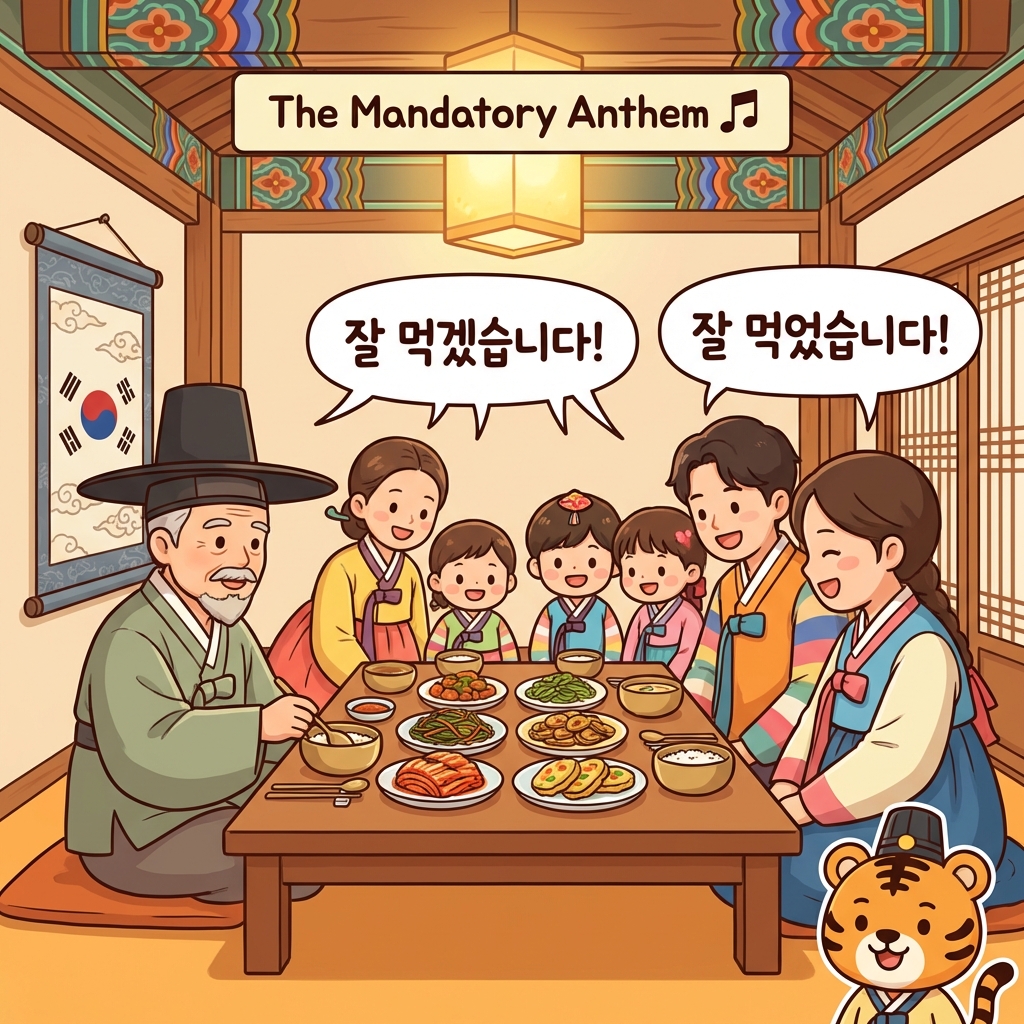
The Mandatory Anthem 🎶
The start and end of the meal are bookended by mandatory vocal respect 📣.
Before eating: You must loudly declare “Jal Meokgesseumnida!” (I will eat well) to thank the host/elder 🍽️.
After the elder finishes: You must confidently state “Jal Meogeosseumnida!” (I ate very well) to signal the official, respectful end of the feast! 🙏
Before eating: You must loudly declare “Jal Meokgesseumnida!” (I will eat well) to thank the host/elder 🍽️.
After the elder finishes: You must confidently state “Jal Meogeosseumnida!” (I ate very well) to signal the official, respectful end of the feast! 🙏
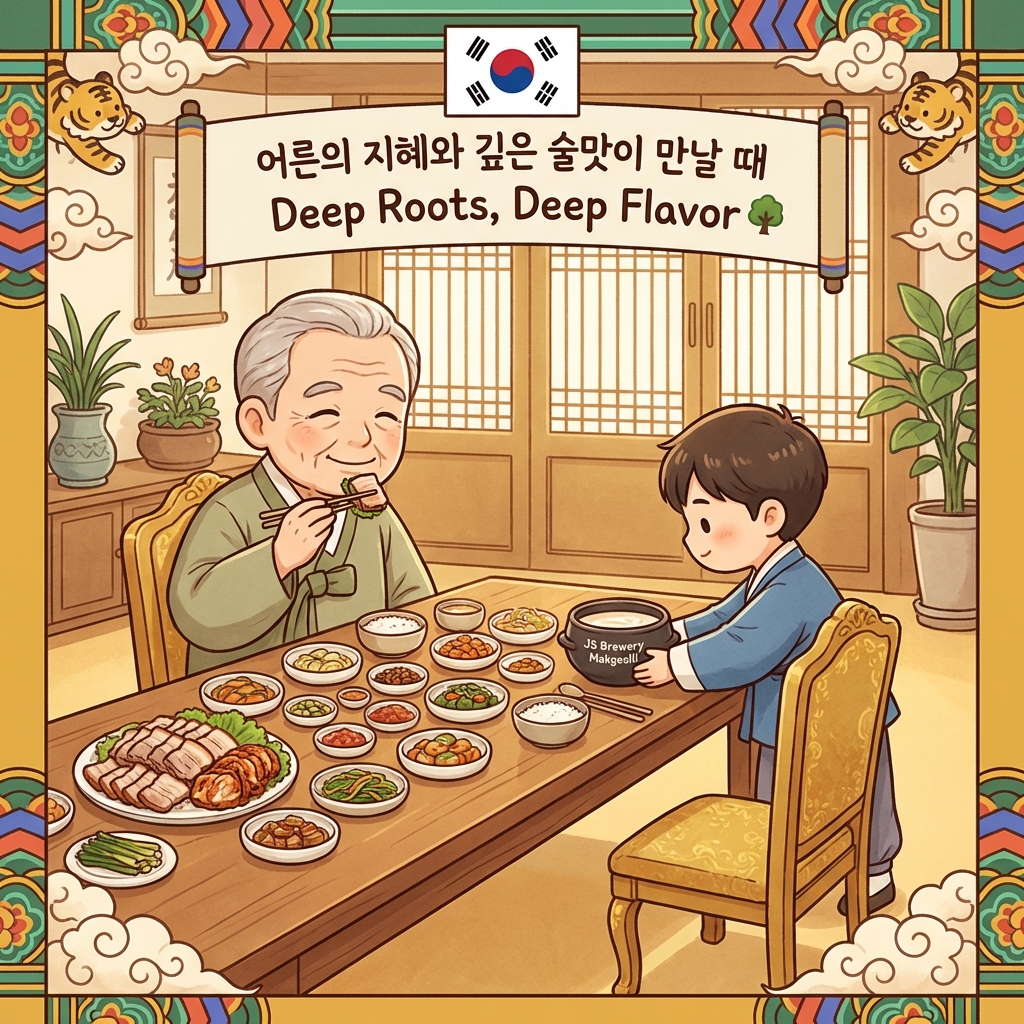
Deep Roots, Deep Flavor 🌳
These intense rules are not meant to be punishing ⚖️.
They are a physical manifestation of ancient Confucian philosophy: honoring those who paved the way for your existence 🕊️.
Serving an elder a beautifully crafted, traditional bowl of JS Brewery Makgeolli 🍶 as they take the first bite of a meal is the purest expression of generational love and respect imaginable ✨.
They are a physical manifestation of ancient Confucian philosophy: honoring those who paved the way for your existence 🕊️.
Serving an elder a beautifully crafted, traditional bowl of JS Brewery Makgeolli 🍶 as they take the first bite of a meal is the purest expression of generational love and respect imaginable ✨.
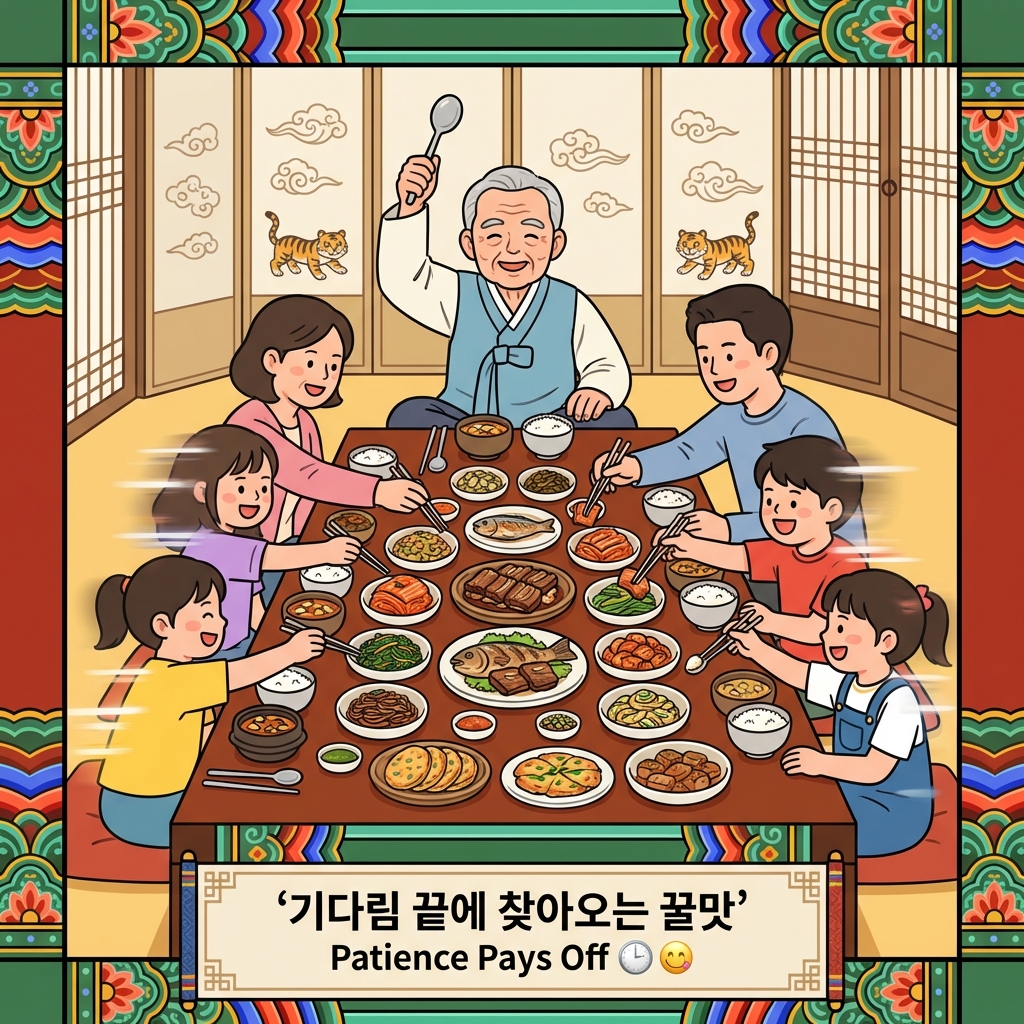
Patience Pays Off ⏱️🤤
Could you survive sitting at a massive table covered in K-BBQ staring at the meat while waiting for your grandfather to pick up his spoon? 😅⏱️ Let us know 👇
1 / 9