
The Alphabet Designed to Be Easy. 🔤
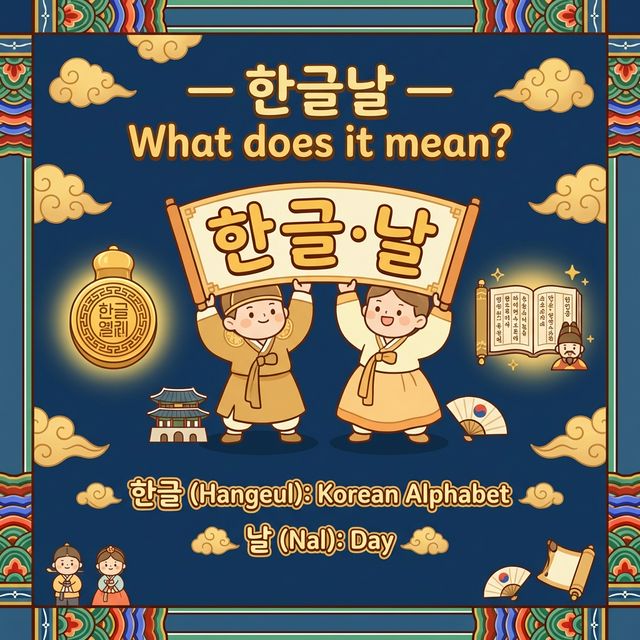
한글날 — What does it mean?
Simple and elegant: 한글 (Hangeul) = The Korean alphabet. → 한 (han) = Great / Korean. → 글 (geul) = Script / Writing. 날 (nal) = Day. Celebrated on October 9th — the date in 1446 when King Sejong promulgated the 훈민정음 (Hunminjeongeum), the document introducing the new alphabet. It’s a national public holiday. 🇰🇷
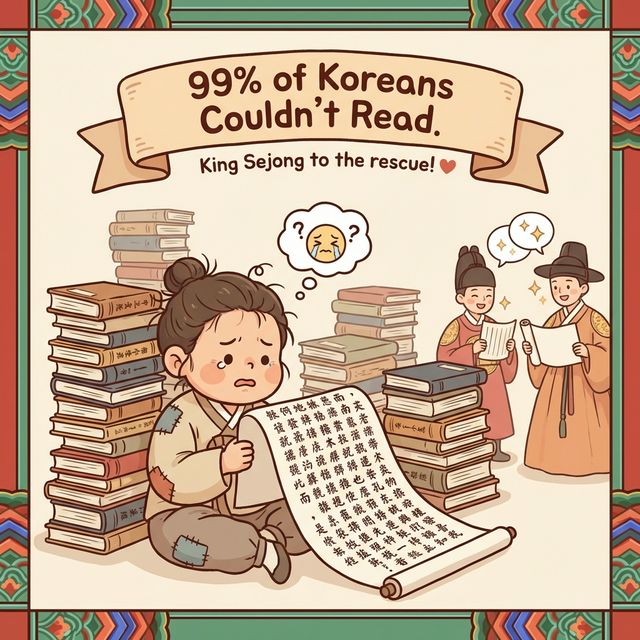
99% of Koreans Couldn’t Read.
Before Hangul, Korea used 한자 (hanja, Chinese characters) for all writing. The problem? Learning thousands of complex characters took years of study. Only scholars and aristocrats (양반) could read and write. Common people — farmers, merchants, women — were effectively locked out of literacy. Laws, contracts, medicine — all inaccessible. 📜❌
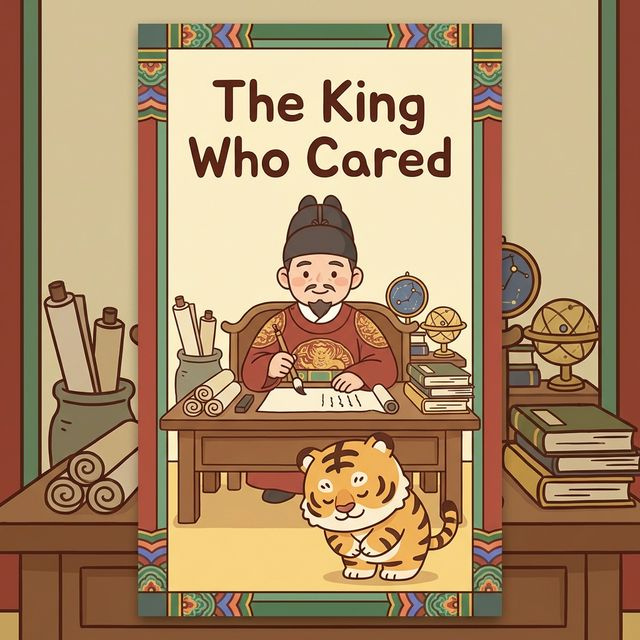
The King Who Cared.
세종대왕 (Sejong Daewang / King Sejong the Great, 1397–1450): The 4th king of the Joseon Dynasty — and arguably Korea’s greatest ruler. He didn’t just create an alphabet — he personally led the research, defying opposition from his own scholars who wanted to keep Chinese characters. His motivation, in his own words: “나랏말이 중국과 달라…” — “The speech of our country differs from that of China…” He wanted every Korean to be able to read and write. 👑
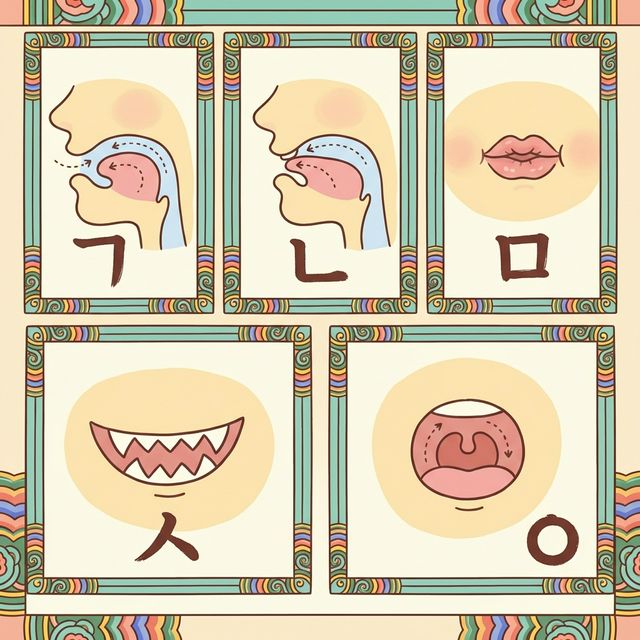
Letters Shaped by Your Mouth. 🤯
Hangul isn’t random — each consonant is shaped after the speech organ that produces it: ㄱ (g/k) — the back of the tongue rising ㄴ (n) — the tongue tip touching the roof ㅁ (m) — the shape of closed lips ㅅ (s) — the shape of teeth ㅇ (ng) — the open throat Vowels are based on three elements: · (human), ㅡ (earth), ㅣ (heaven). It’s a scientific masterpiece. 🧬
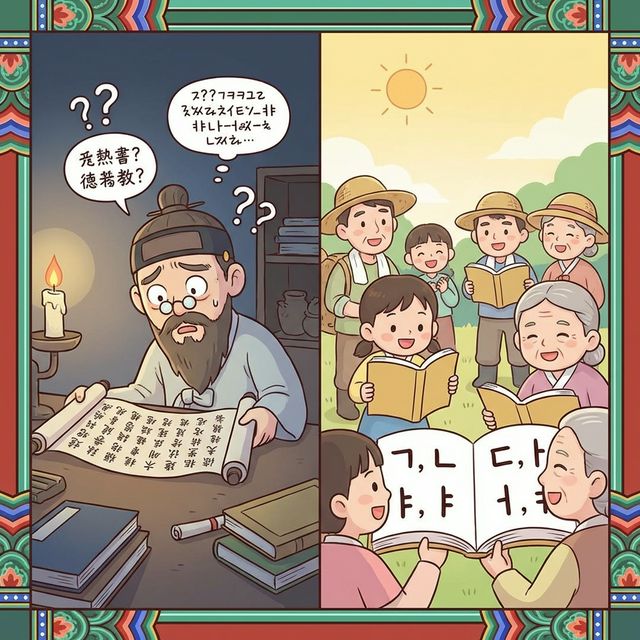
From 1% to 99%.
The results speak for themselves: 📖 South Korea’s literacy rate today: ~99% — among the highest in the world. ⚡ Hangul can be learned in a few hours to a few days (compared to years for character-based systems). 🏆 UNESCO created the King Sejong Literacy Prize (1989) — awarded annually to organizations fighting illiteracy worldwide. The alphabet designed “so that a wise man can learn it in a morning” continues to deliver on that promise.
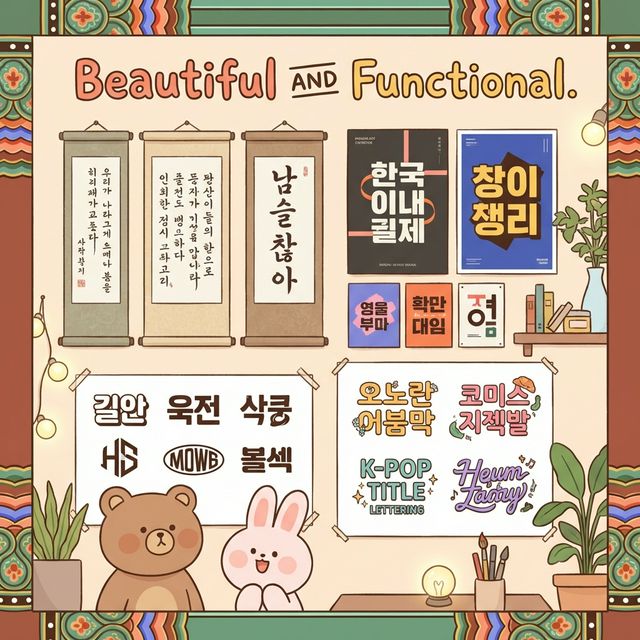
Beautiful AND Functional.
Hangul isn’t just practical — it’s visually stunning: 🖌️ Traditional Hangul calligraphy is an art form in itself 🎨 Modern designers use Hangul as a graphic design element worldwide 👕 K-fashion brands feature Hangul on streetwear 🎵 K-pop album art and logos showcase creative Hangul typography It’s one of the rare scripts that is celebrated as both engineering and art.
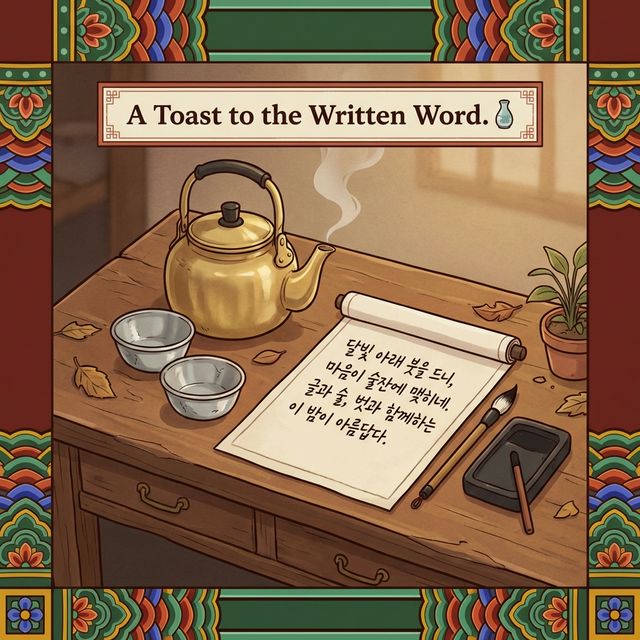
A Toast to the Written Word. 🍶
Makgeolli and Korean literature share deep roots. Joseon-era scholars and poets sipped Makgeolli while composing poems and essays. The word 막걸리 itself is pure Korean — 막 (roughly) + 거르다 (to strain) — describing its unfiltered, rustic nature. On 한글날, pour one for the king who gave Korea its voice. 📝🍶
Every word you read in Korean — thank a king.
What’s your favorite Korean word? 🔤 👇
1 / 9